Inside Filipino Hospitality Culture: Why the Philippines Is the World’s Friendliest Nation

Introduction
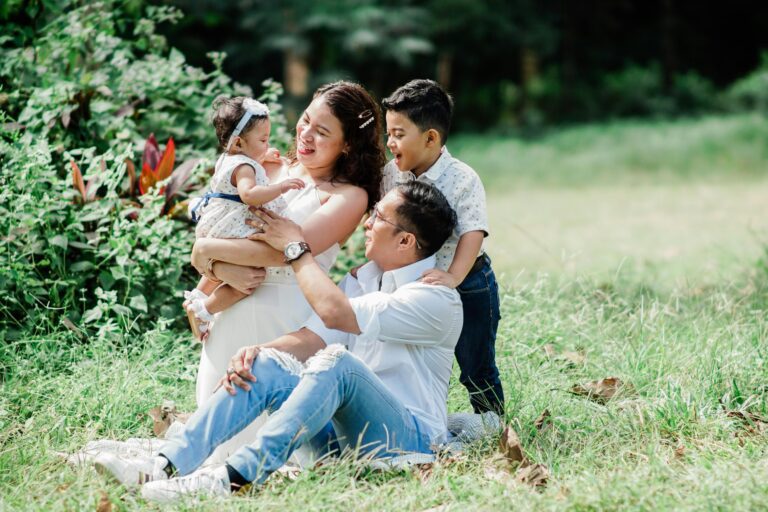
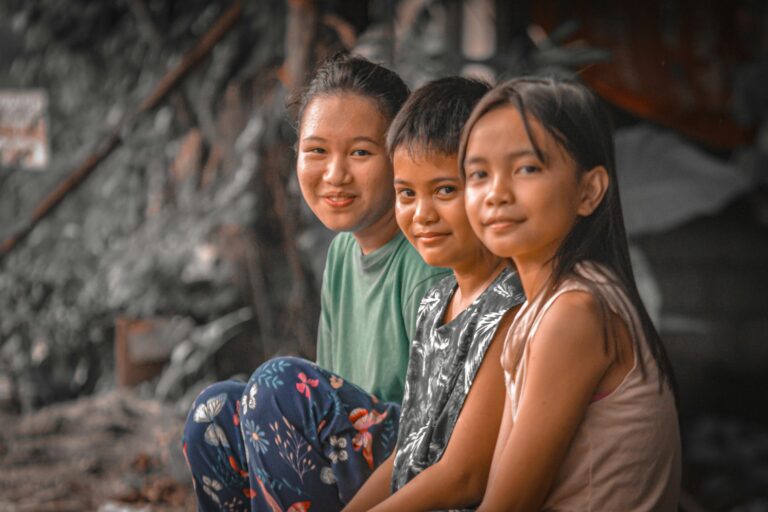
Welcome to the Philippines, where every guest is treated like family and every smile feels like a warm hug! Filipino hospitality culture isn’t just about being polite—it’s a way of life. Whether you’re a tourist visiting for the first time or a balikbayan coming home, you’ll feel the warm Filipino welcome right away.
You might be asking, “Are we really the world’s friendliest nation?” Well, guess what? We are! Surveys from a reputable source InterNations rank the Philippines Top 3 friendliest countries in 2024, especially for travelers and expats. It’s all thanks to our warm welcome customs, our bayanihan spirit, and our love for making people feel at home.
In this post, we’re diving into what makes Filipino culture and values so unique. We’ll chat about our traditions, the community spirit we call bayanihan, and how all this gets passed down through generations. Let’s go (Tara na in Tagalog)!
Whether you’re a tourist visiting for the first time or a balikbayan coming home, a warm “Kamusta ka?” (Hello in Tagalog) is usually the first thing you’ll hear. Learn more about it here.
“Tara na!”
Cyrilmontanes.com
In English, it means “let’s go!”
Want more on Filipino values and culture? Check out The Utlimate Guide to Filipino Culture here.
What Defines Filipino Hospitality Culture and Why It’s So Unique

Filipino hospitality is something else. It’s all about Filipino kindness, generosity, and treating people like family—even if you just met them. What makes it truly unique is its authenticity. It’s not fake or forced. It’s just part of who we are.
Anywhere you go in the Philippines—big city or small town—you’ll find people who are ready to open their homes, share their food, and make you feel like you belong. And it’s not just for special guests. Even neighbors or strangers get the same treatment.
Families take pride in taking care of their guests. They’ll cook your favorite Filipino dishes, make sure you’re comfortable, and likely send you home with leftovers too. Think adobo, pancit, lechon—yum! If they hear you’re craving something, they might even run to the nearest palengke (market place) to buy it. That’s how far we go to make others happy.
Want to explore more? Here are Must-Try Filipino Street Foods That Locals Love. Click here.
It’s also super common to hear the phrase, “Kain tayo!” even if someone sees you passing by while they’re eating. It means “Let’s eat!” and they genuinely mean it. Sharing food is a common Filipino love language in the country.
“Kain tayo!”
CyrilMontanes.com
In English, it means “let’s eat!”
Try it! Next time someone visits your home, offer them a snack and say it like a true Pinoy.
Our faith also plays a role. Many Filipinos are raised with values such as love, humility, and service, which line up perfectly with how we treat others. Being welcoming and generous isn’t just something we do—it’s tied to our beliefs and our hearts.
No matter where you are—in a fancy condo in Manila or a small bahay kubo (hut) in the province—the hospitality in the Philippines feels the same. It crosses age, background, and status. That warm, friendly Filipino vibe is everywhere.
So yeah, Filipino hospitality culture isn’t just something we show off to tourists. It’s how we live every single day.
The Meaning Behind Filipino Warm Welcome Customs and Traditions
Filipino warm welcome customs are full of love and meaning. One of the first things you’ll notice is how hosts always offer food or drinks right away. It might be a glass of water or a full-on feast, but the goal is the same—to make you feel at home.
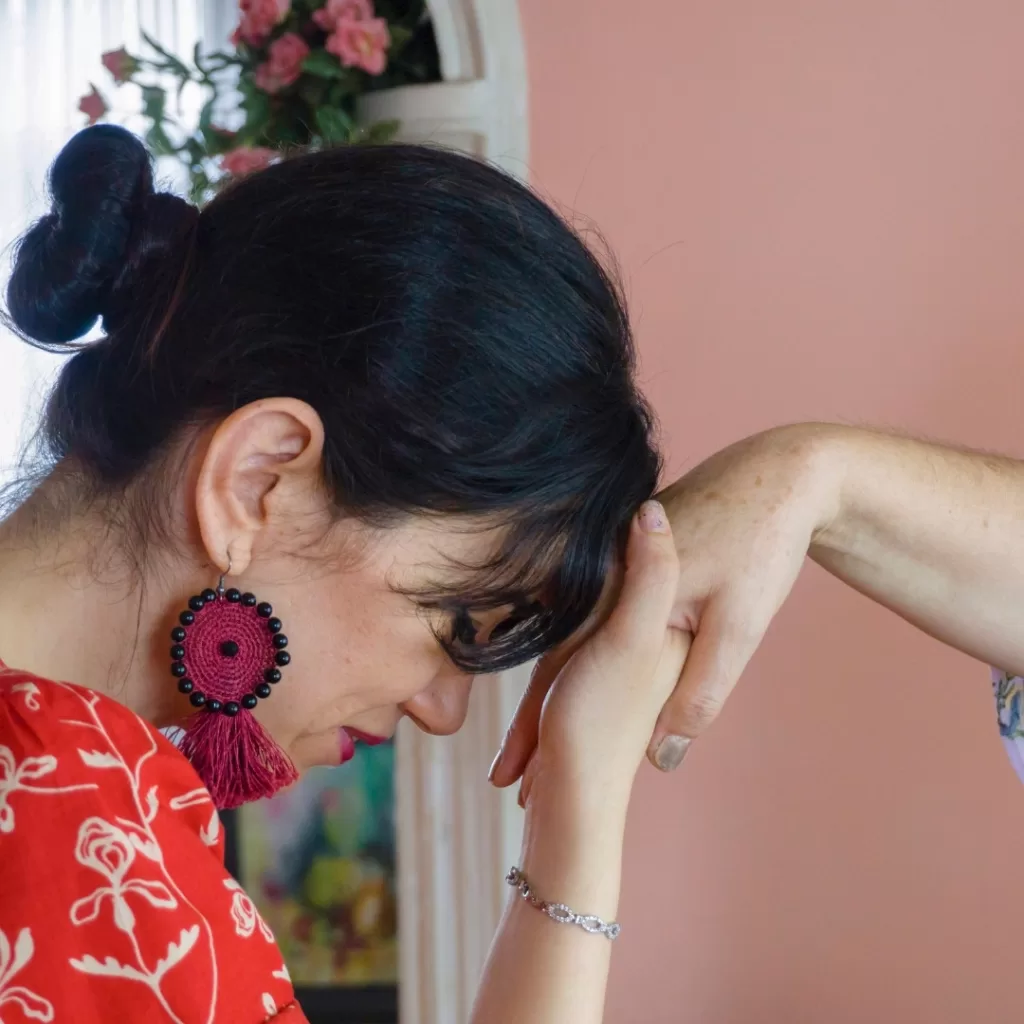
There’s also the classic “mano po“—a sweet gesture where younger folks take the hand of an elder and touch it to their forehead. It shows respect and love, and it’s just part of how we were raised. You’ll usually see this when someone visits their grandparents or older relatives. It’s more than tradition—it’s a way to show that we honor those who came before us.
Even if a family doesn’t have much, they’ll bring out their best plates and prepare something special when someone visits. And don’t be surprised if they say, “Sorry, it’s just a simple meal,” even though it’s a full table of delicious food. That humble attitude is part of Filipino family traditions.
Want more cultural depth? Explore blogposts about Filipino culture here.
Sometimes, guests don’t even need to be invited. We love surprise visits and unexpected drop-ins. A neighbor dropping by to say hi? They’ll probably end up staying for merienda (snack) or dinner.
If you’re visiting from far away, there’s a good chance they’ll insist you stay the night. Rearranging the whole house just to make room for a guest? Totally normal in the Philippines. They might even give you the best room or let you use the only electric fan during the hot season. That’s how much we care.
And when it’s time to say goodbye? You’re not leaving empty-handed. Expect a little “pasalubong” or takeaway snack as a parting gift. It could be leftover food, homemade kakanin (rice cake or native delicacies), or even a bottle of soda. That’s one of the sweetest Filipino traditions we’re proud of.
These customs may seem small, but they create a big impact. They make people feel welcome, seen, and valued. And that’s the magic of Filipino warm welcome customs.
Bayanihan Hospitality: A Timeless Tradition in Modern Filipino Homes
Ever heard of bayanihan? It’s that classic Filipino community spirit—everyone helping everyone. Back in the day, people literally carried houses to a new location with their neighbors’ help (yes, really!). While you don’t see that much now, the spirit of bayanihan hospitality is still very alive today.
These days, bayanihan shows up in everyday life, such as sharing food with neighbors, offering help without being asked, or coming together during tough times like typhoons or emergencies. During the pandemic, bayanihan came alive again with community pantries popping up across the country—people left food for those who needed it, no questions asked.
At birthdays, fiestas, or even funerals, everyone pitches in. The host might have the house, but the whole community helps with the cooking, setup, and more. It’s a team effort. You’ll see titas (aunties) making lumpia (spring roll), kuyas (older brothers) putting up tents, and lolas (grandmothers) making sure everyone eats.

Even Filipinos living abroad bring bayanihan hospitality with them. From potlucks to fundraisers to helping fellow kababayans (countrymen) adjust, we carry our Filipino values wherever we go. OFWs (Overseas Filipino Workers) are known for creating close-knit Filipino communities wherever they settle. It’s like building a little piece of home, even in a foreign land.
Bayanihan hospitality reminds us that we’re all in this together. Whether you’re helping your kapitbahay (neighbor) fix a leaky roof or offering someone a ride in the rain, it all adds up. These everyday acts keep our communities strong and full of heart.
It’s one of the biggest reasons Filipino hospitality culture stands out in the world today. It’s not just about being nice—it’s about being there for each other.
Filipino Hospitality Across Generations: How the Culture Is Passed Down
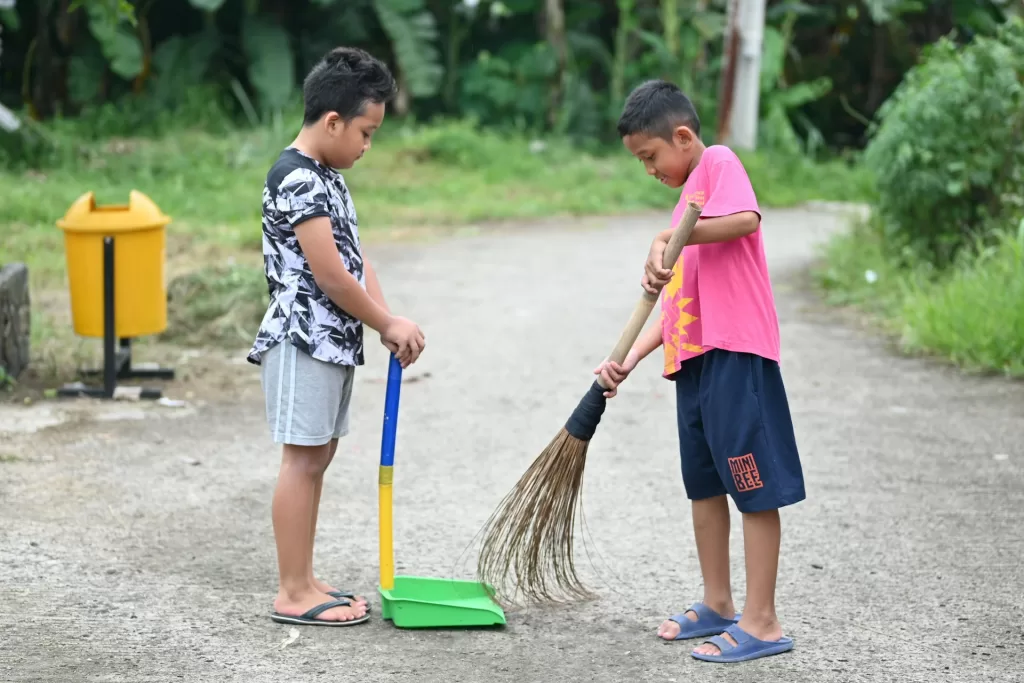
Hospitality in the Philippines starts young. Kids are taught early to greet guests, help serve food, and give up their seats for elders. It becomes second nature, like saying “po” and “opo” or sharing your snacks at recess.
Grandparents, especially lolos and lolas (grandfathers and grandmothers), are big on keeping traditions alive. Many of us grew up watching them cook huge meals, insist we treat visitors with respect, and gently remind us to be more welcoming. You’d hear things like, “Anak (son/daughter), get a plate for our guest!” before you even notice someone walked in.
Parents also lead by example. When kids see mom and dad sharing food with strangers or giving up their room for a guest, it sticks. We learn that being hospitable isn’t just something nice to do—it’s something we’re proud of. It’s part of our identity.
Even family gatherings become Filipino hospitality lessons. During Christmas, New Year, birthdays, or the fiesta (festivals) season, the house becomes a training ground. Kids help wrap gifts, prepare food, welcome guests, and clean up after.
Schools and communities also pitch in, teaching values such as respect, generosity, and service. We hear it in songs, stories, and even the games we play as we grow up. Bayanihan is taught not just as a history lesson, but as something we live out daily.
Even younger Filipinos today, who live in busy cities or work online, still carry these values. Whether it’s joining a community pantry, helping strangers online, or organizing charity events, the spirit of Filipino hospitality is going strong. Social media is full of stories showing kababayans (counrty men) helping each other—even strangers. It’s beautiful to see.
Looking for Filipino lunch inspiration? Read "10 Easy Filipino Chicken Recipes" here.
As long as we continue to tell these stories and live out these Filipino values, our hospitality will continue to thrive.
Conclusion
Filipino hospitality culture is truly something to be proud of. Whether it’s the thoughtful way we welcome guests, the beautiful bayanihan spirit, or the way we pass it all on to our kids, it’s what makes our Filipino culture and values so rich and heartwarming.
We’re not just friendly—we’re warm, generous, and joyfully selfless. Whether you’re staying for five minutes or five days, you’ll be treated like part of the family.
So next time you visit the Philippines—or hang out with a Filipino friend—don’t be surprised if you’re treated like royalty, fed like family, and sent home with way too many snacks. That’s just how we do it.
And honestly? That’s why we’re known as the world’s friendliest nation. No doubt about it!
Do you have a story of Filipino hospitality that warmed your heart? Share it in the comments—I’d love to hear it!