15 Filipino Christmas Traditions That Make the Holidays Unforgettable

Introduction
If there’s one thing Filipinos are famous for, it’s our love of Christmas. While the rest of the world starts decorating in December, in the Philippines, we begin as soon as the “ber” months roll in. By September, you’ll already hear Jose Mari Chan singing on the radio, lanterns twinkling in the streets, and some doing their Christmas shopping.
For us, Christmas isn’t just a holiday. It’s a reflection of who we are as Filipinos — family-oriented, faith-driven, joyful, and generous. (If you’d love a bigger picture of Filipino traditions, check out my Ultimate Guide to Filipino Culture).
A Little Gift For You
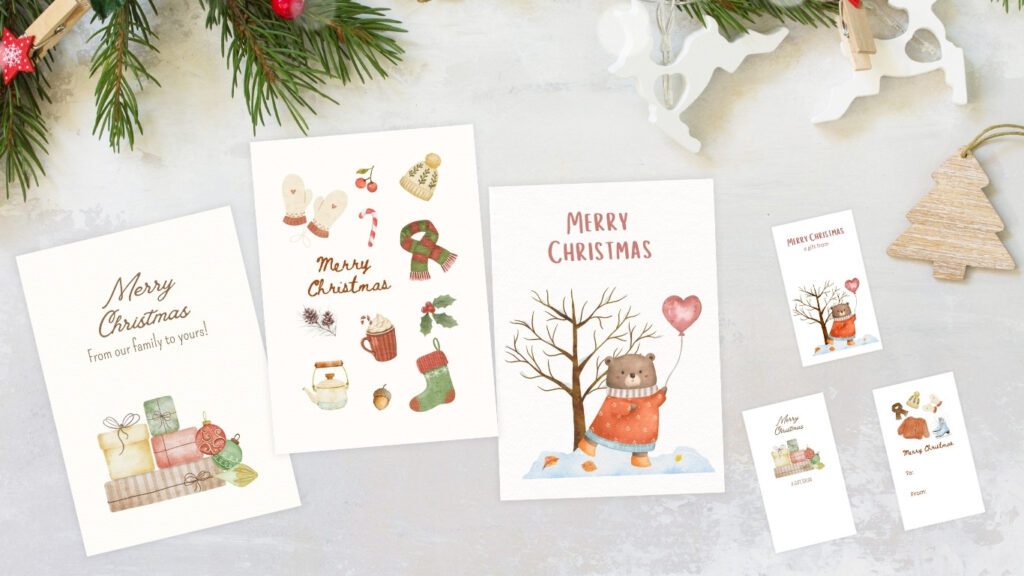
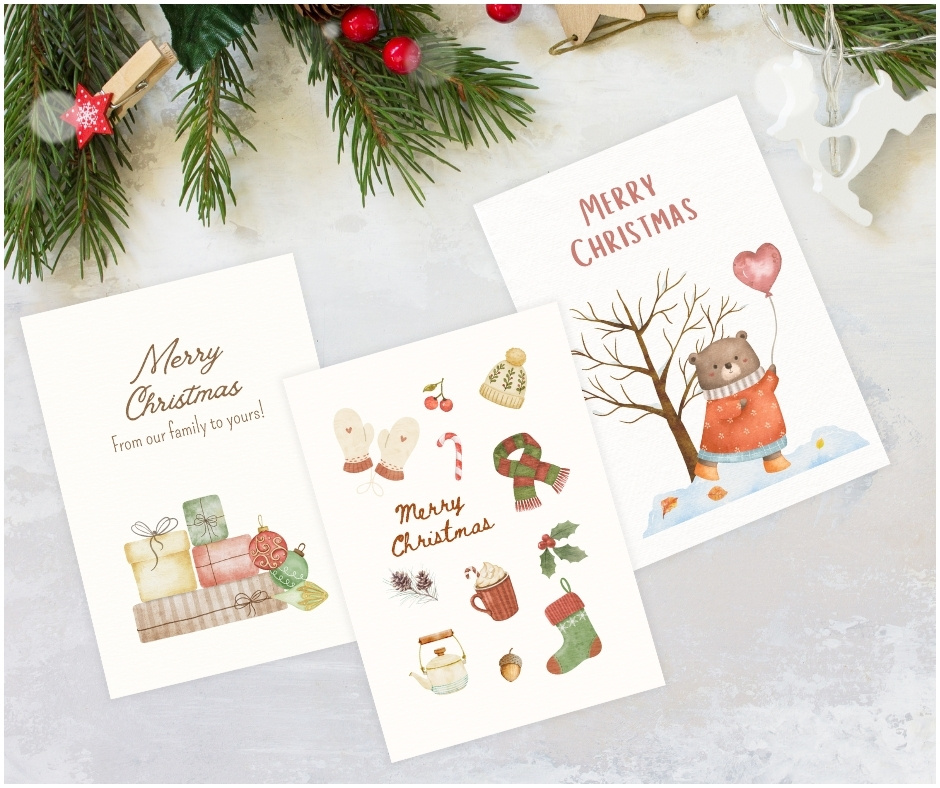
A little gift for you: To help you prepare for the Christmas season, I created a set of FREE printable Christmas cards and gift tags with cozy, wintery designs. You can download them right here.
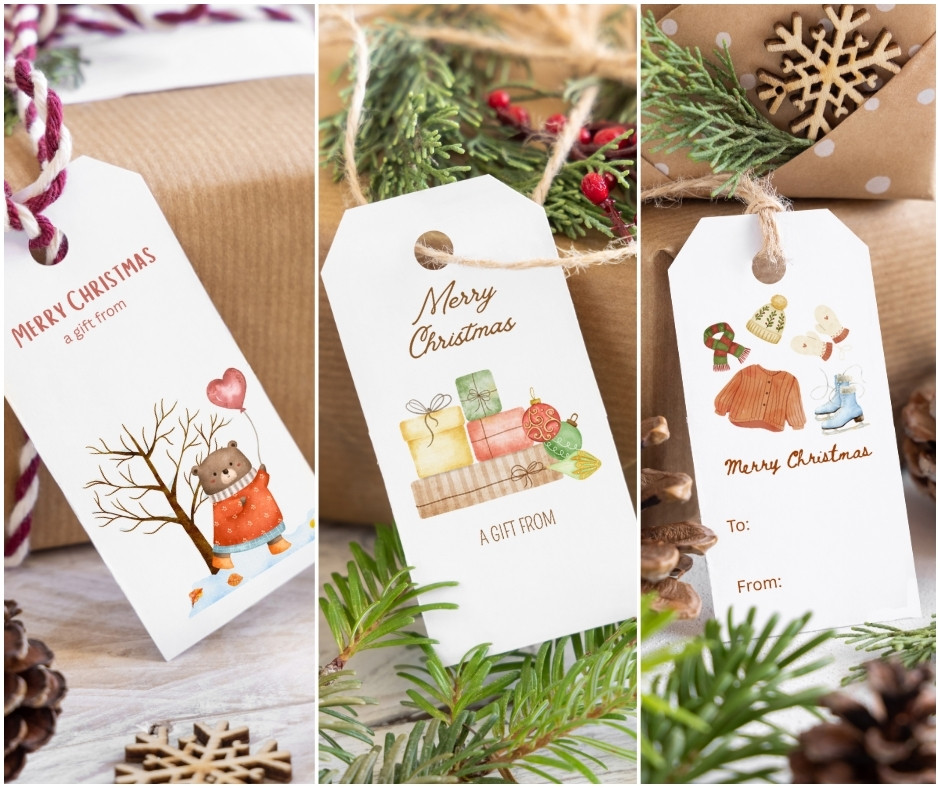
As someone who grew up in the Philippines, Christmas holds so many special memories for me — from waking up for Simbang Gabi to the big family reunions on December 25. Let me take you through the traditions that make our Christmas so different and so full of heart.
1. The “Ber” Months Kickoff
In the Philippines, Christmas officially starts in September. Malls put up decorations, Christmas carols fill the air, and the countdown to December begins.
For many of us, the “ber” months are the start of that warm, fuzzy feeling — even if it’s still hot outside!
When I was a kid, September always made me excited because it meant bibingka and puto bumbong season was on its way. I could almost smell them cooking outside the church already.
2. Parols: The Star Lanterns of Hope
The parol, or star lantern, is the ultimate Filipino Christmas symbol. They hang from homes, churches, and street corners — reminding us of the Star of Bethlehem and the light of Christ.
I still remember making parols in school for our arts and crafts projects. After bringing them home, we’d hang them outside the house, and it always felt so festive with Christmas spirit.
3. Simbang Gabi: Nine Days of Faith
Nine dawn masses leading up to Christmas Eve reflect the deep Catholic roots of Filipino culture. When I was a teenager, I would join my cousins and aunties in trying to complete all nine. The hardest part was dragging ourselves out of bed before sunrise, but the reward was always worth it—the smell of freshly cooked bibingka, puto bumbong, and even a warm bowl of congee after Mass made those mornings unforgettable. We don’t practice it anymore, but the memories of those early mornings and the joy they brought will always stay with me.
4. Pangangaroling: Christmas Carols at Your Doorstep
Children often go house to house singing Christmas songs in exchange for coins or treats. When I was in high school, I joined our church choir for pangangaroling. We would go around to the homes of church members, singing with so much joy. What I remember most wasn’t the money or food we received, but the laughter, the late nights, and the feeling of being part of something special with my church family.
5. Giant Lantern Festival in Pampanga
The Giant Lantern Festival in Pampanga is one of the highlights of the Christmas season. Huge lanterns, some as tall as houses, light up the night with colorful patterns and designs. It’s a festive event that brings people together and shows just how creative and talented Filipinos are. Over the years, this festival has become a proud tradition and a beautiful way to celebrate the season.
6. Noche Buena: The Christmas Eve Feast
On December 24, just like any Filipino family, we gathered for Noche Buena—a big midnight feast after Christmas Eve mass. The preparation was part of the fun too. Relatives from the province would come over, and everyone joined in the cooking, chopping, and setting the table while sharing stories and laughter. By midnight, the table was filled with ham, queso de bola, and other holiday favorites. After eating together, we would exchange and open gifts, with joy and laughter filling our home as the clock struck twelve. Those moments made Christmas feel truly complete.
🎄 If you love planning for the season in advance, don’t miss my holiday collection in my Zazzle shop.

7. Aguinaldo: Gifts from Godparents
Children receive gifts or money from their godparents, known as ninong (godfather) and ninang (godmother). This gift, often called aguinaldo, is usually given as crisp bills or small presents on Christmas Day. It’s more than just a holiday treat—it’s a tradition that highlights the Christmas central theme of God’s generosity and love for mankind by sending His Son Jesus.
8. Caroling Competitions and Choirs
Communities and schools often showcase Filipino musical talent during the Christmas season. Choirs, bands, and student groups perform well-loved carols that bring people together. Some neighborhoods even organize concerts or small programs where families gather to listen and sing along. These performances aren’t just about entertainment—they reflect how deeply music is woven into Filipino culture. It’s joyful, communal, and always heartfelt, reminding everyone that Christmas is a season best celebrated in harmony with others.
9. Office and School Christmas Parties
Every group—schools, companies, even neighborhoods—seems to host a Christmas party, and that’s what makes December such a busy month in the Philippines. In school, the Christmas party was always the highlight of the season, filled with games, raffle prizes, and exchange gifts that felt like one big family celebration. Workplaces and communities do the same, adding more food, laughter, and gatherings to the calendar. With so many parties and reunions happening everywhere, traffic becomes part of the season too—but even that has a way of reminding us how alive and festive Christmas in the Philippines really is.
10. Monito Monita (Secret Santa, Filipino Style)
Monito Monita was always one of the traditions I looked forward to growing up at school. I remember the excitement of exchanging small themed gifts each week—sometimes it was something sweet, sometimes something useful, and sometimes just plain funny. The best part was the big reveal at the end, when we finally found out who had been giving us those surprises all along. Some gifts were thoughtful, others silly, but that was what made it so much fun and filled with laughter.
11. Street Food Staples: Bibingka and Puto Bumbong
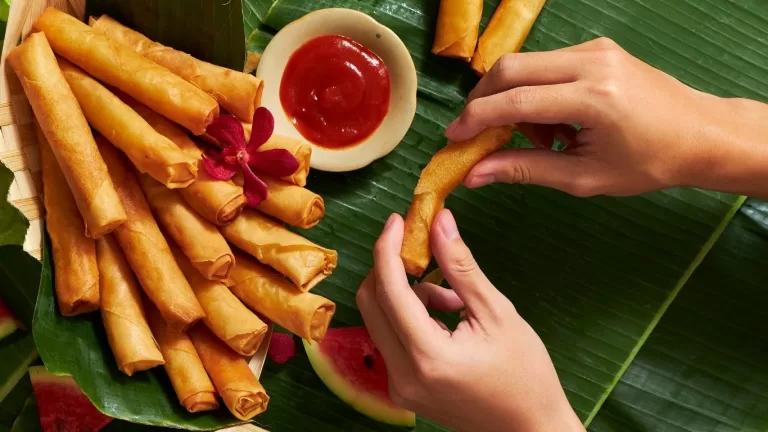
Nothing says Christmas in the Philippines quite like the sight of bibingka and puto bumbong stalls lining the streets. The smoky scent of rice cakes cooking over coals and the vibrant purple of puto bumbong fresh from the steamer instantly signal the season’s arrival. Topped with butter, sugar, and grated coconut, these humble street-side treats capture the heart of Filipino Christmas — simple, comforting, and always shared in the company of others.
Want to learn more about Filipino street food? Read this blogpost here and dive into the delicious world of Filipino street eats.
12. Fireworks and Paputok (Noisemakers)
Christmas in the Philippines isn’t just about lights and carols — it’s also about the boom and crackle of noisemakers. From firecrackers that make the streets shake to sparklers kids wave around, the noise adds a fun kind of chaos to the season. Many say it’s done to chase away bad vibes and invite good luck, but for most Filipinos, it’s simply part of the holiday excitement that makes Christmas feel extra alive.
13. Family Reunions and Homecomings
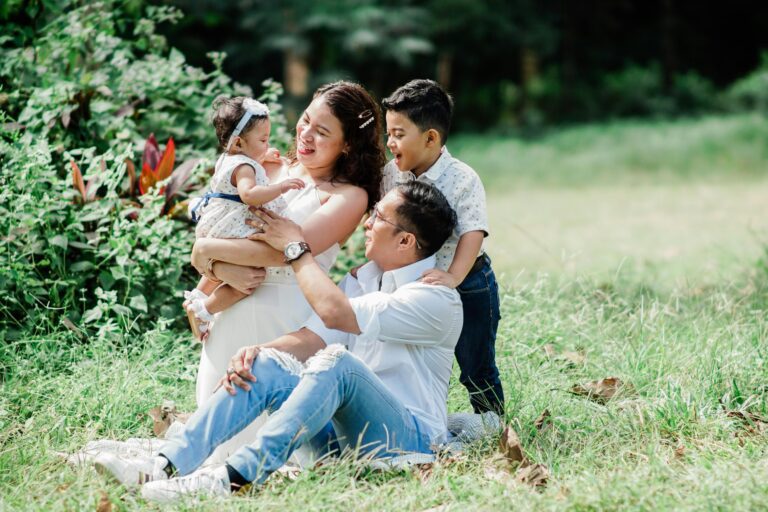
Christmas is more than a holiday for us Filipinos — it’s reunion season. Families, especially those with loved ones abroad, make it a point to come together. When I was little, December 25 was always the big reunion on my father’s side. We’d gather at my grandmother’s house — cousins, aunts, uncles, everyone — and the whole place would overflow with chatter, food, and joy. Those reunions didn’t just fill the house; they made Christmas feel complete.
Family is at the heart of Filipino life — I’ve shared more about this in my Filipino Family Values blogpost.
14. Extending the Season to Three Kings’ Day
It is common practice back home to extend the holiday season until January 6 — Three Kings’ Day. It’s a tradition that highlights the visit of the three wise men and is often seen as the official end of Christmas. Some families keep decorations up until then, while children look forward to receiving little gifts or treats “from the Three Kings.” It’s one more way Filipinos make the Christmas season last just a bit longer.
15. Bayanihan Spirit: Giving Back
Christmas isn’t just about the parties and gifts — it’s also about giving back. You’ll see charity drives, feeding programs, and different ways people reach out to help others during the season. Whether it’s sharing food, clothes, or even just a little extra, that spirit of generosity makes the holidays feel even more meaningful.
Why Christmas in the Philippines Feels Different
From the early “ber” months to the last Three Kings’ celebration, Christmas in the Philippines is more than a holiday — it’s a way of life.
Looking back, what I treasure most about Christmas in the Philippines isn’t just the gifts or the food — it’s the reason for the season ,Jesus, and the memories of family gathered around one table, the laughter of cousins at reunions, and the warmth of a community celebrating as one.
Final Thoughts
Christmas in the Philippines is not just the longest holiday season in the world, it’s also the warmest. Rooted in faith, family, and bayanihan, it reflects the very heart of Filipino culture.
If you ever get the chance to spend Christmas in the Philippines, prepare to be amazed. From lanterns glowing in the night to midnight feasts and joyful reunions, you’ll see why Filipinos proudly say: “There’s nothing like Christmas back home.”
Before You Go…
Don’t forget to grab your FREE printable Christmas cards and gift tags. It’s my holiday gift to you here! And if you’d like even more festive designs, explore my full Christmas collection in my Zazzle shop.