
Filipino Adobo Recipe: The Philippines’ Most Famous Dish

Disclosure: This post may contain affiliate links. If you purchase through these links, I may earn a small commission at no extra cost to you. As an Amazon Associate, I earn from qualifying purchases. Thank you for supporting my blog.
Introduction
When you think of Filipino cuisine, one dish that’s likely to come up is Adobo. It’s a culinary gem that has been a staple in Filipino households for generations, including mine. Growing up, Adobo was the dish we could always count on to bring comfort and joy. Even now, living in America, it remains a beloved staple in my home. I brought Adobo to a church gathering once, and I often invite people over to my house to enjoy it with my American friends—they love it, too.
In this blog post, we’ll explore the rich history and cultural significance of this dish, its different varieties, and why it’s a dish that transcends borders. Plus, I’ll share some recipes so you can try making Adobo yourself!
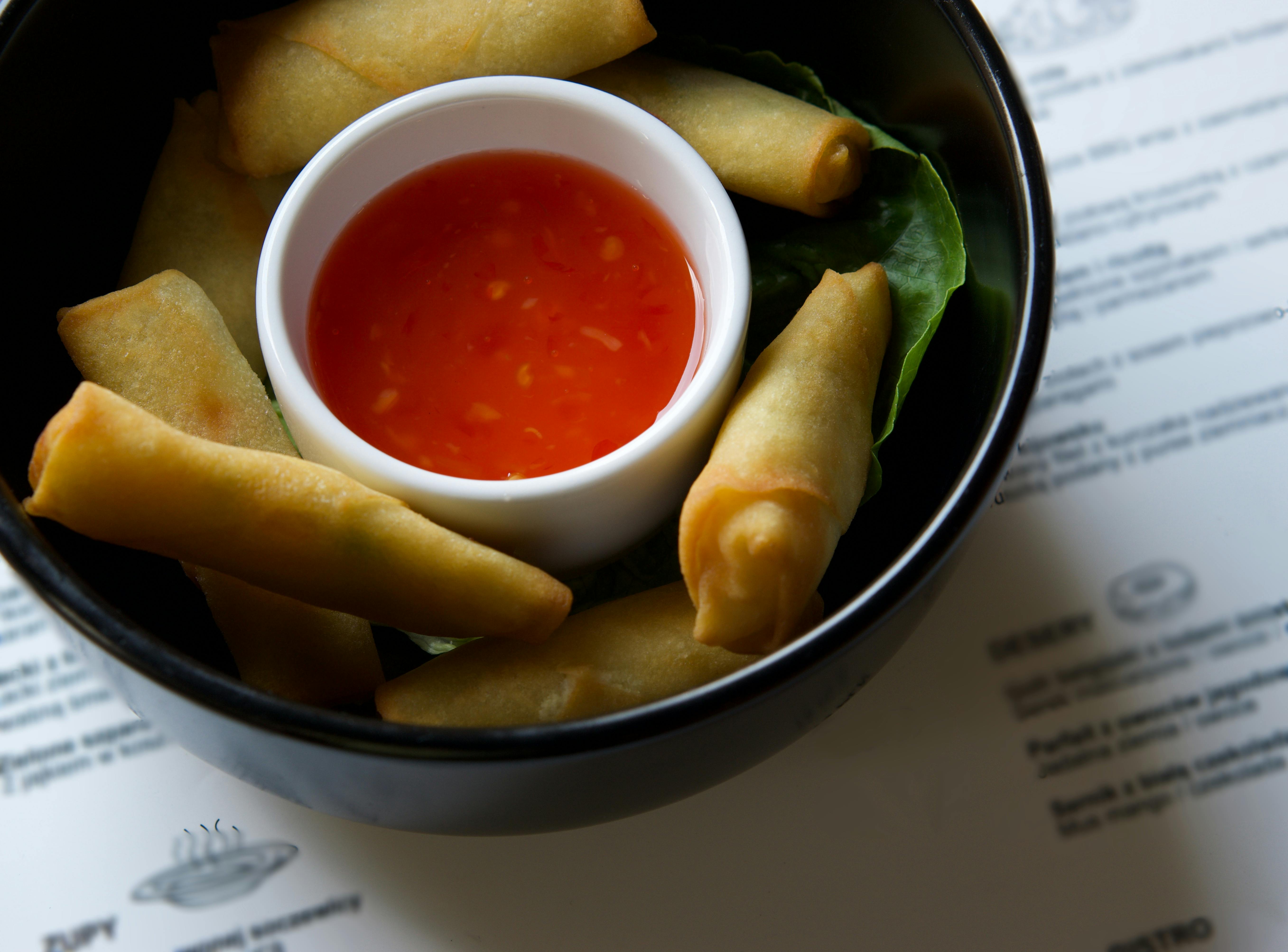
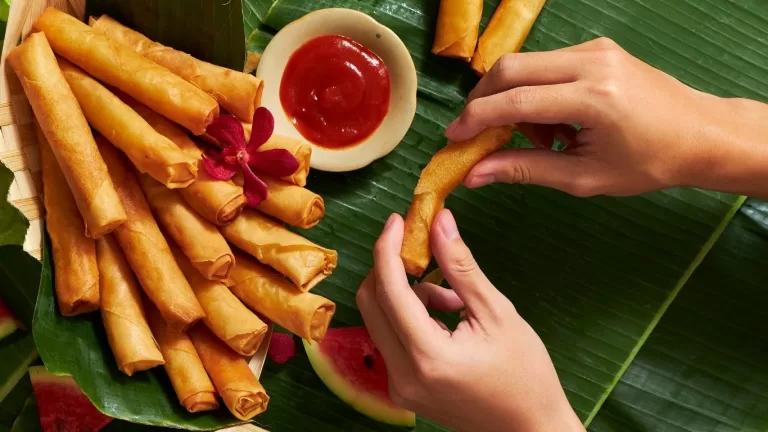
Dive into the irresistible flavors of FILIPINO SPRING ROLLS! Read this article!
The Cultural Significance of Adobo in the Philippines
Adobo is more than just a dish; it’s a part of Filipino identity and culture, where food has always played an integral role. Its origins date back to pre-Hispanic times when Filipinos used vinegar and salt to preserve food. Over time, this method evolved, incorporating new ingredients like soy sauce, brought over by Chinese traders, to create the Adobo we know and love today.
The word “adobo” itself comes from the Spanish word “adobar,” which means to marinate. Spanish colonizers observed similarities between their cooking methods and the Filipino practice of marinating meat in vinegar and spices, which they named adobo. However, the Filipino version has its own unique flavor profile and cooking method that sets it apart.
Adobo’s versatility also makes it a special dish. It can be made with pork, chicken, beef, or even seafood and vegetables. The basic ingredients are simple—soy sauce, vinegar, garlic, bay leaves, and black peppercorns—but the result is a complex, savory dish that’s tangy and umami.
Why Other Cultures Will Love Adobo
Adobo’s universal appeal lies in its balance of flavors and its adaptability. The combination of vinegar and soy sauce creates a unique, familiar, and exotic taste. It’s a comfort food that warms the soul, and the cooking process fills your home with an irresistible aroma.
My American friends have fallen in love with Adobo, and I’m sure you will, too. It’s a dish that brings people together, sparking conversations and creating memories. Plus, it’s incredibly easy to make, making it perfect for busy weeknights or special gatherings.
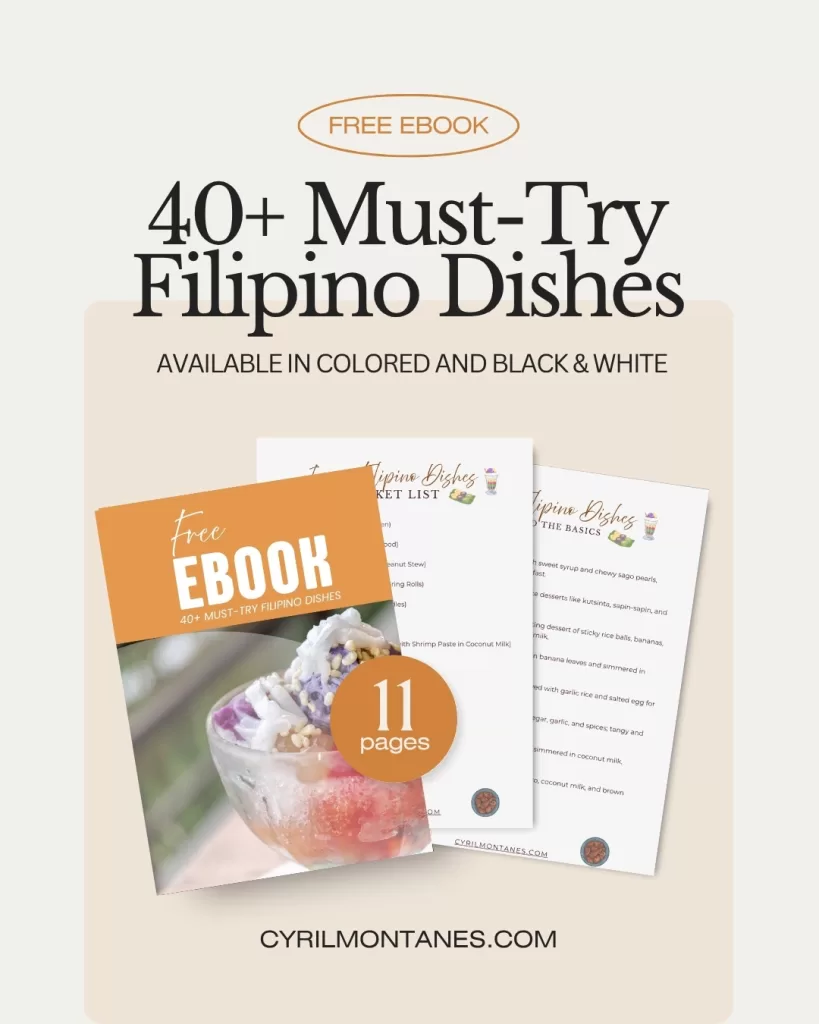
💡 Want to explore more Filipino food beyond Adobo? Grab my free guide: “40 Must-Try Filipino Dishes” 👇
Basic Pork Adobo
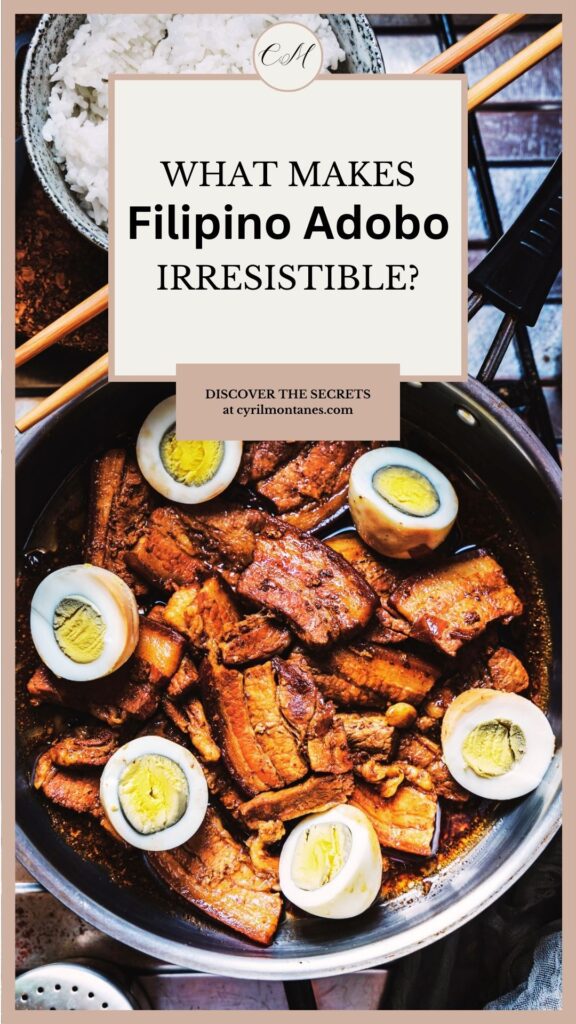
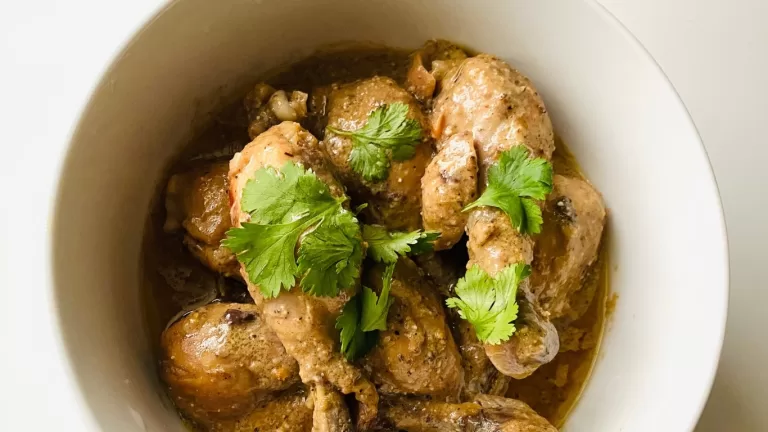
This classic Pork Adobo dish features succulent pork belly (or any pork that has fat like pork butt roast) marinated in a savory blend of soy sauce, vinegar, crushed garlic, bay leaves, and black peppercorns. The marinated meat is then simmered until tender, allowing the flavors to meld into a rich, tangy, and umami-packed stew.
The key ingredients—soy sauce and vinegar—create a perfect balance of savory and tangy notes, while the garlic and bay leaves add depth and fragrance. Black peppercorns provide a subtle heat that ties the dish together. The result is a deeply flavorful and comforting dish that pairs perfectly with steamed rice.
Watch how I cook Adobo in action!
Here’s a quick video of me making Filipino Pork Adobo:
(Note: In the video, I used 3 pounds of pork butt roast. The recipe card below is written for 2 pounds of pork. If you’re using 3 pounds, just increase the other ingredients by 1.5x.)
Ready to cook? Let’s dive into the ultimate Filipino Pork Adobo recipe below!
Filipino Pork Adobo
Ingredients
- 2 lbs pork butt roast, cut into 2-inch cubes
- 1 bulb onion, peeled and sliced thinly
- 1 head garlic, peeled and minced
- 2 pieces bay leaves
- 1 tsp salt (adjust to taste)
- 1/2 tsp pepper
- 1 tbsp oil
- 1/2 cup vinegar
- 1/2 cup soy sauce
- 1/2 cup water for initial boiling
- 1/2 cup water for the sauce
- 1/2 tbsp brown sugar
Instructions
- Boil the pork – Place pork butt roast pieces in a pot with water. Boil until the water evaporates and the pork renders some fat.2 lbs pork butt roast, cut into 2-inch cubes, 1/2 cup water for initial boiling
- Brown the meat – Fry the pork until lightly browned. Remove and set aside.
- Sauté aromatics – In the same pot, heat oil. Add onions and garlic, and sauté until fragrant.1 bulb onion, peeled and sliced thinly, 1 head garlic, peeled and minced, 1 tbsp oil
- Add soy sauce – Return the pork to the pot. Pour in soy sauce, stir, and let simmer for about 5 minutes.1/2 cup soy sauce
- Add vinegar – Add vinegar (do not stir right away). Let it simmer for 5–10 minutes to mellow the sharpness.1/2 cup vinegar
- Simmer with water and spices – Add water and pepper. Bring to a boil, then reduce heat and simmer until the sauce thickens.1/2 cup water for the sauce, 1/2 tsp pepper
- Season and finish – Add bay leaves, brown sugar (adjust salt and sugar as needed). Continue simmering until the pork is fork-tender and coated in rich sauce.1 tsp salt (adjust to taste), 1/2 tbsp brown sugar, 2 pieces bay leaves
- Serve – Pair with plenty of steamed rice.
Notes
- Pork butt roast is ideal for Adobo because it’s meaty with just enough fat to stay juicy. You can also use pork belly for a richer dish or chicken for a lighter version.
- For the best flavor, let Adobo rest for a few hours or overnight. The taste deepens as it sits.
- Adjust salt, soy sauce, or vinegar to your taste. Some regions in the Philippines prefer Adobo more sour, while others like it a bit sweeter.
- Serve hot with steamed white rice or garlic fried rice.
- Leftovers keep well in the fridge for up to 3–4 days. In fact, Adobo often tastes even better the next day!
Shop This Recipe
(Affiliate Disclosure: The links below are affiliate links. If you decide to buy through them, I may earn a small commission — thank you for supporting my blog!)
Want to cook Adobo at home? Here are some ingredients and kitchen tools I recommend:
- Datu Puti Vinegar and Soy Sauce Value Pack – 1 liter bottle of each
- Rice Cooker – Perfect for steamed rice
- Filipino Cookbook for more recipes
The Evolution of Adobo
While the classic Adobo remains a beloved dish, its evolution has given rise to several exciting variants, each with its unique characteristics, cultural significance, and regional roots. Here are some notable variations:
White Adobo (Adobo sa Puti)
White Adobo, also known as Adobo sa Puti, stands out due to its absence of soy sauce, which is a key ingredient in traditional Adobo. This version uses only salt, vinegar, garlic, and bay leaves, resulting in a lighter yet equally flavorful dish. Its tangy and savory taste makes it a favorite among those looking for a less heavy meal while still enjoying the essence of Adobo.
Check out the full recipe here.
Yellow Adobo (Adobong Dilaw)
Adobong Dilaw, or Yellow Adobo, is easily recognized by its vibrant yellow color, which comes from the use of turmeric. This variation combines the essential Adobo ingredients of vinegar, garlic, and bay leaves but introduces an earthy tang that sets it apart. Celebrated for its cultural significance, Adobong Dilaw showcases the rich diversity and creativity in Filipino culinary traditions.
Discover the recipe details here.
Adobo sa Gata (Adobo with Coconut Milk)
Adobo sa Gata adds a creamy twist to the traditional recipe by incorporating coconut milk (gata). This version is particularly popular in the Bicol region, known for its coconut-based dishes. The addition of coconut milk balances the tanginess of the vinegar with a rich, creamy texture, creating a harmonious blend of flavors that is both comforting and indulgent.
Find the complete recipe here.
Pineapple Chicken Adobo
Pineapple Chicken Adobo introduces the sweetness of pineapple to the classic Adobo mix. The pineapple not only adds a fruity contrast to the savory and tangy sauce but also helps tenderize the meat. This version is a delightful fusion of flavors, offering a refreshing and tropical twist to the beloved Filipino dish.
Try making this dish by following the recipe here.
Salted Adobo (Adobo sa Asin)
Adobo sa Asin, or Salted Adobo, forgoes both soy sauce and vinegar, instead relying on salt to flavor the dish. This minimalist approach results in a milder yet deeply savory flavor profile. The simplicity of Adobo sa Asin highlights the importance of high-quality ingredients and careful cooking techniques, making it a cherished version in certain regions of the Philippines.
Give this recipe a try here.
Modern Twists
In recent years, chefs and home cooks have experimented with Adobo, creating modern twists that blend traditional flavors with contemporary techniques. Some popular innovations include:
Adobo Flakes
Adobo Flakes is a clever and delicious take on leftover Adobo. By shredding the cooked meat and frying it until crispy, this version transforms the tender, flavorful pork or chicken into crunchy, savory flakes. Adobo Flakes are perfect as a topping for rice, salads, or even as a snack on their own. Their crispy texture and concentrated flavors make them a modern favorite that adds a delightful crunch to any meal.
Adobo Pasta
Adobo Pasta is a fusion dish that marries the rich, savory flavors of Adobo with the comforting appeal of pasta. By incorporating adobo sauce into a pasta dish, typically accompanied by a choice of proteins such as chicken or pork, this variation creates a unique and hearty meal. The umami-packed sauce coats each strand of pasta, infusing it with the tangy and savory essence of traditional adobo. Adobo Pasta is a fantastic way to enjoy the familiar taste of adobo in a new and exciting format.
Vegan Adobo
For those who prefer plant-based options, Vegan Adobo offers a delicious alternative that retains the distinctive flavors of the original dish. Instead of meat, ingredients like tofu, tempeh, or mushrooms are used to absorb the Adobo marinade. The cooking process remains similar, ensuring that the vegan version is just as savory, tangy, and satisfying. Vegan Adobo is not only a healthier option but also showcases the versatility of adobo, proving that it can be adapted to suit various dietary preferences while maintaining its taste.
Beef Adobo
Beef Adobo adds a hearty twist to the traditional recipe by substituting pork or chicken with beef. The rich, bold flavors of beef meld perfectly with the tangy adobo marinade, creating a robust and deeply satisfying dish. The meat is typically slow-cooked until tender, allowing it to absorb the savory soy sauce and vinegar mixture. This variation is perfect for meat lovers who crave a richer, more intense flavor profile while still enjoying the classic elements of Adobo.
Seafood Adobo
Seafood Adobo combines traditional Adobo flavors with a variety of seafood, including shrimp, squid, and fish. This variation offers a lighter yet equally flavorful alternative to the meat-centric versions. The seafood absorbs the tangy, garlicky marinade beautifully, resulting in a dish that’s both fresh and savory. Seafood Adobo is a fantastic option for those who prefer the taste of the ocean or are looking for a healthier, lighter meal that still packs a punch of traditional Adobo goodness.
Adobo with a Global Twist
Chefs around the world have begun incorporating adobo into their culinary creations, adding their regional ingredients and techniques. For instance, adding a dash of sriracha or other hot sauces can give Adobo a spicy kick, while incorporating ingredients like lemongrass or kaffir lime leaves infuses it with Southeast Asian flavors. These global twists on Adobo highlight its adaptability and universal appeal, making it a dish that can be enjoyed in various cultural contexts.
These modern twists on adobo demonstrate the dish’s incredible versatility and enduring popularity. Whether it’s through innovative cooking methods, fusion with other cuisines, or adaptations for different dietary needs, Adobo continues to evolve while staying true to its Filipino roots. So the next time you crave Adobo, why not try one of these contemporary variations and experience the beloved dish in a whole new way?
Conclusion
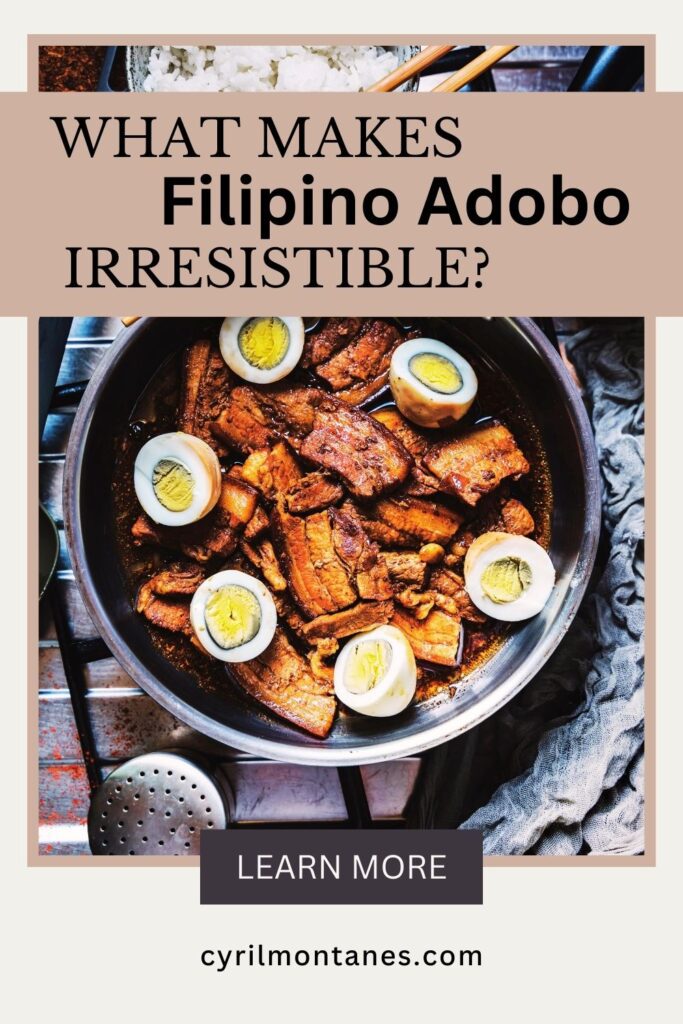
Adobo is a dish that captures the essence of Filipino culture and cuisine. Its rich history, versatility, and irresistible flavor make it a favorite not just in the Philippines but around the world. Whether you’re a seasoned foodie or a curious home cook, Adobo is a dish worth trying.
I hope you enjoy making and eating these Adobo recipes as much as I do. Don’t forget to share your Adobo experience in the comments below—I’d love to hear from you!
Happy cooking!



Love this article! You can never go wrong with the Classic Pork Adobo! So yummy!!