
Traveling to the Philippines as American Citizens: Our First Trip Back Home as a Filipino Family
From Houston to Manila via PAL, Airbnb in Las Piñas, and Everything In Between
Introduction
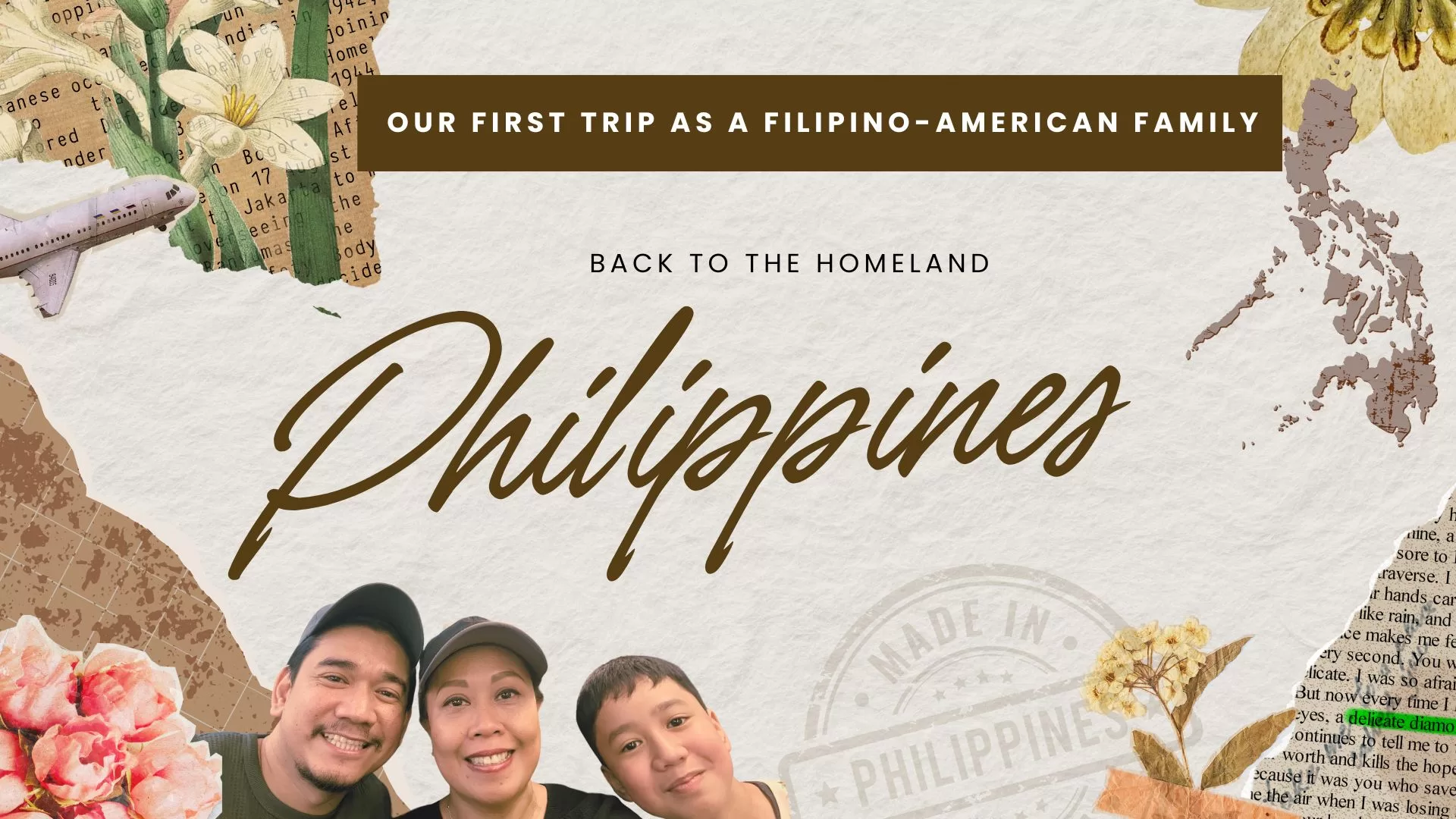
After nearly a decade of building our lives in the United States, our little family of three finally took the plunge back to the Philippines. Having left in 2017, we returned in 2025, now holding American citizenship yet deeply rooted in our Filipino identity. This blog post recounts our emotional and practical journey—from planning to arrival, to embracing the warmth, flavors, and vibrant culture that welcomed us back. My husband and I arranged separate schedules to make the most of our 17-day visit. Whether you’re preparing for your first balikbayan adventure or enjoy immersive travel tales, this story aims to inspire and inform.
A Journey Eight Years in the Making
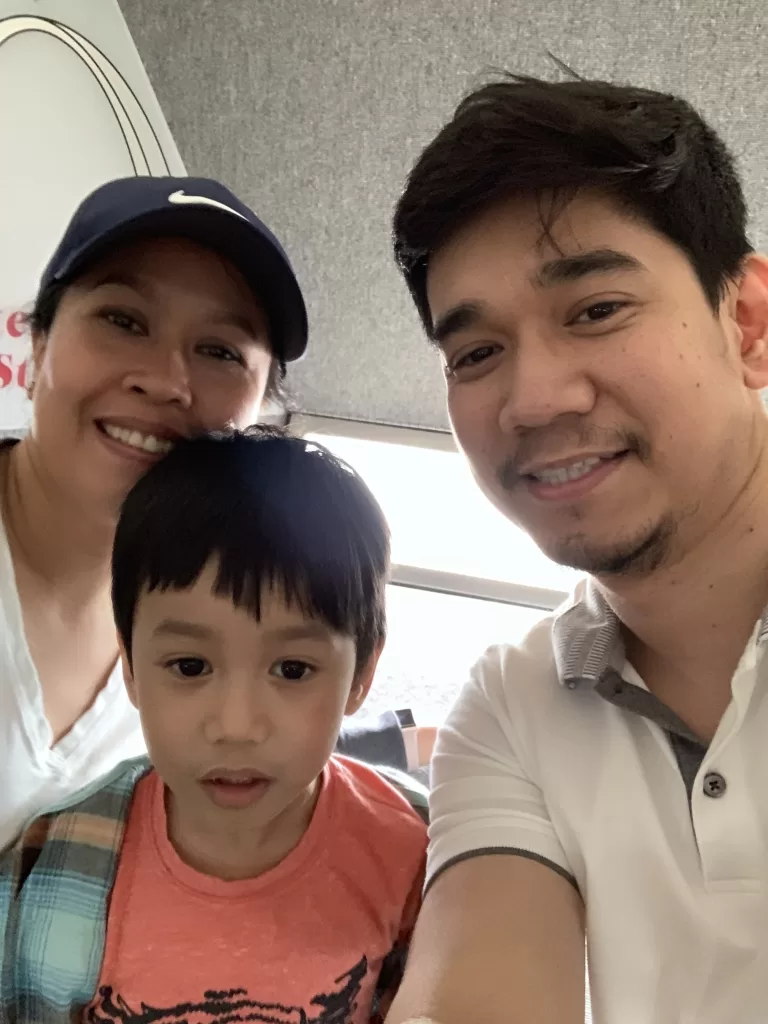
Our transition to the U.S. began in 2017 when we left the Philippines, stepping into a new life that felt like pressing a reset button. Today, as American citizens with an 11-year-old son, our connection to the Philippines is passed on through stories, the internet, and family-favorite dishes we cook at home, such as Adobo—rich, amazing aroma, and rooted in tradition. (Learn more about this iconic Filipino dish, Adobo, in this blog post.) This year’s return marked a significant achievement—a homecoming filled with anticipation, mixed emotions, and surprises. Navigating this trip was both a logistical task and a genuine reunion.
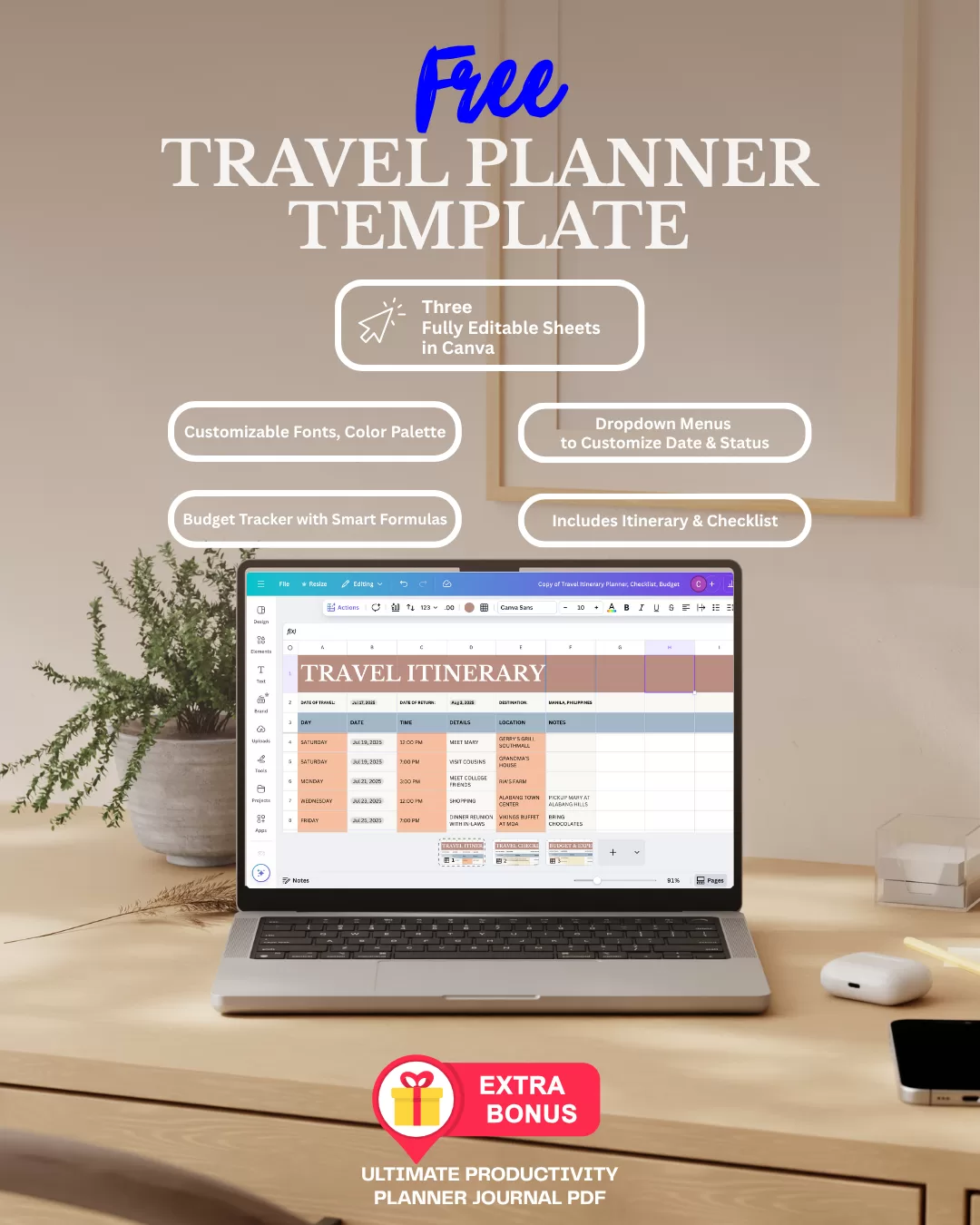
(If you need help in planning your next travel, get these FREE customizable Canva TRAVEL PLANNER sheets template. Click here.)
Preparing for the Trip
Our planning included more than just flights and accommodations. We also focused on mentally (for the long flight 🤣) and emotionally preparing to reconnect with a place we call home after being apart for many years. As American citizens, we did not have to worry about visa requirements. This saved us from extra paperwork and made planning easier.
Flights and Where We Stayed
We chose to fly Philippine Airlines for the long flight from Los Angeles to Manila because we love the warm service of Filipinos. The hospitality of the crew really stood out. For the first leg of our trip from Houston to LA, we picked United Airlines since it fit well with our overall travel plans.
We chose an Airbnb in Las Piñas instead of a hotel (it’s way cheaper). Its good location near family and SM Southmall, a major mall, made it convenient. The place had reliable Wi-Fi, air conditioning to stay cool, a washer and dryer for daily needs, and a sofa bed for extra guests. With two bedrooms and bathrooms, it was comfortable and flexible for our family. We could also easily walk to nearby stores and services.
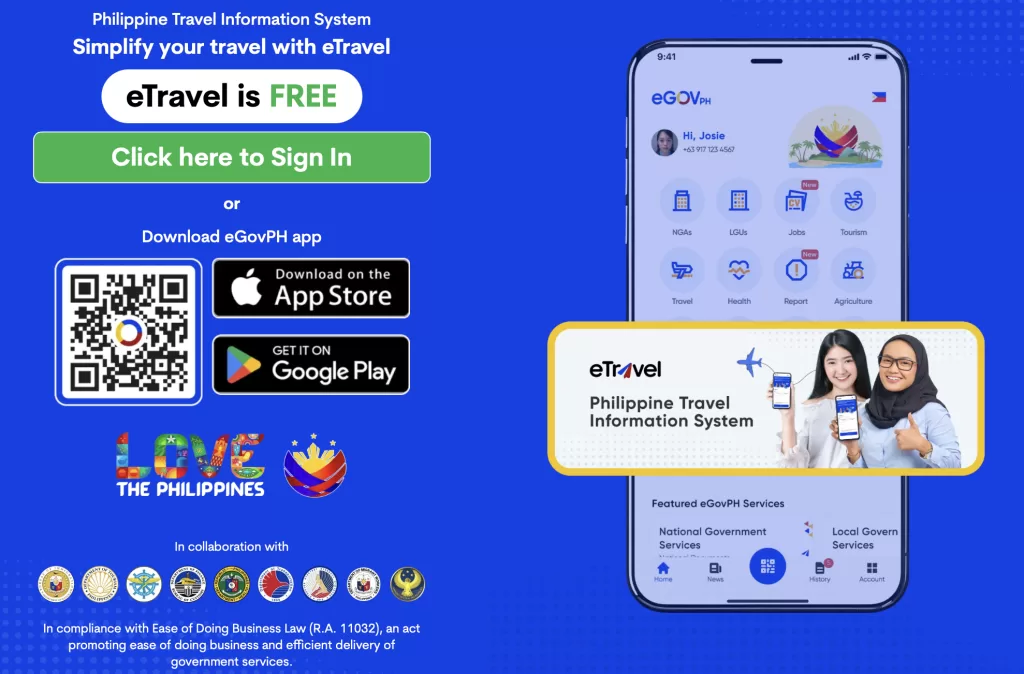
To enter the Philippines, we registered on the official travel site, etravel.gov.ph, within 72 hours before our flight. This step helped us have a smooth experience and avoid delays at immigration. Don’t forget this task, as it is required by the Philippine government.
Parking and Transport Logistics
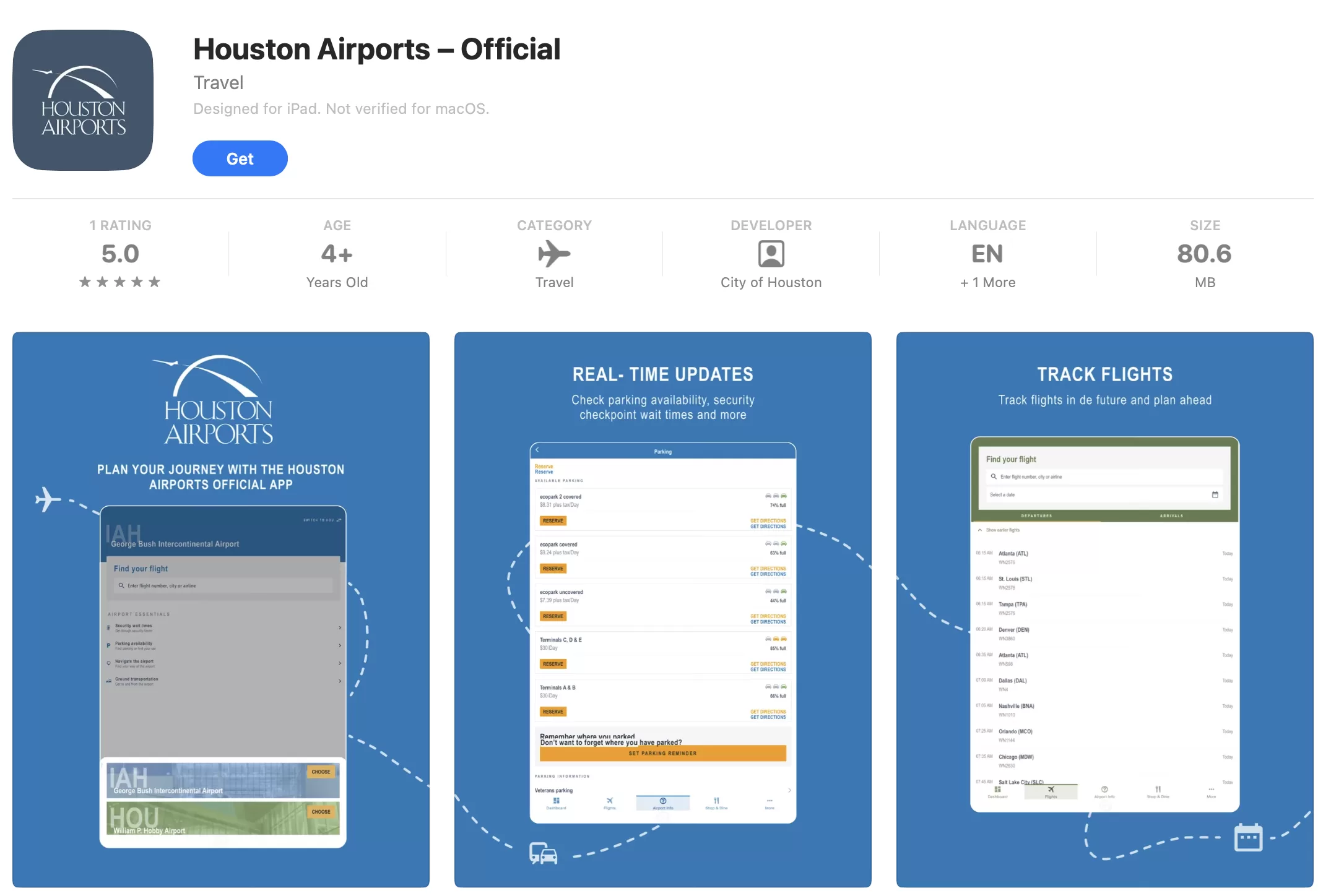
We drove to Houston’s airport and used a Park & Fly service. This service kept our car in a secure location and provided us with shuttle rides directly to the terminal, which alleviated our parking concerns. This easy-to-use app made our trip to the airport smooth and simple.
What We Packed
We packed our bags carefully for the tropical climate and our travel needs. Here’s what we brought:
- Lightweight summer clothes
- Passports and IDs
- Small snacks such as Sky Flakes crackers and dried edamame to tide us over during flights
- For our son, activities like sketchbooks and digital comics were packed to keep entertainment varied and engaging.
- TSA-approved locks secured our bags, while chargers, medicines
- A digital travel budget and itinerary planner in Google Sheets rounded out our gear, combining practical and tech-savvy preparations (which you can download for free here).
Handling Money and Payments
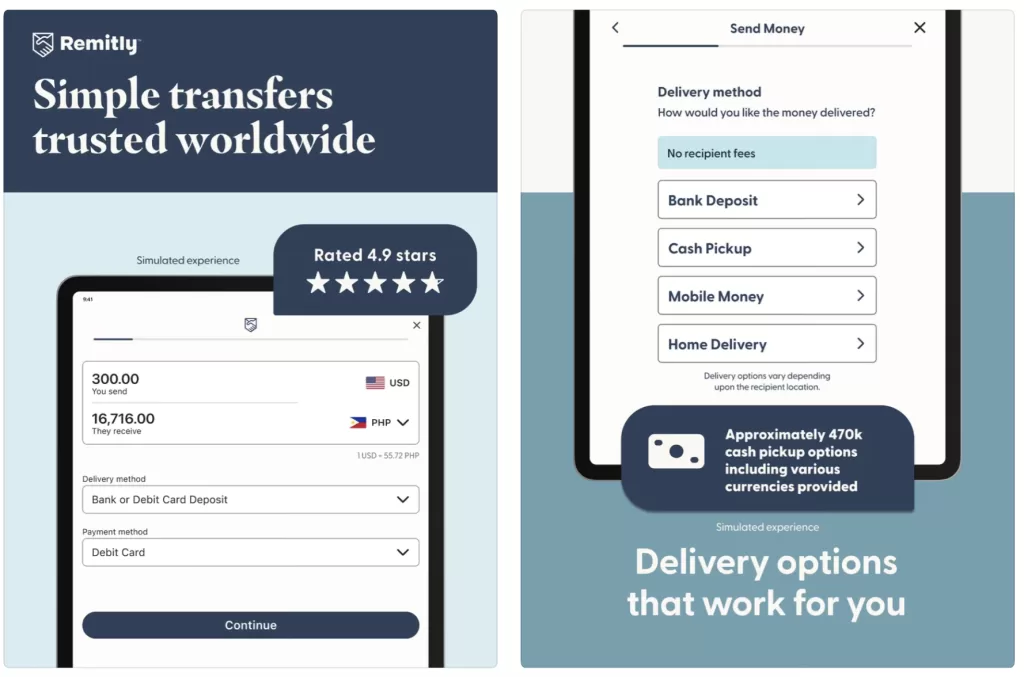
Understanding the financial nuances of the Philippines was crucial. While credit cards are widely accepted in established restaurants, malls, and larger outlets, we knew to carry cash for local transportation modes, small convenience stores, and street vendors. To make cash accessible, we used a money remittance app, Remitly, to transfer funds to a relative’s account, then utilized their ATM card for withdrawals—an efficient and trusted method. We also noted options such as popular e-wallet GCash and cash-pick-up services like Cebuana or Palawan Express, tools that are increasingly part of the Filipino payment landscape.
When you’re grabbing street food or hopping on a tricycle, having pesos on hand makes travel much smoother.
The Flight Experience
The First Stretch: Houston to Los Angeles
We left for our 7:45 PM flight four hours early to avoid rushing. Houston traffic can be unpredictable, so we wanted to make sure we had enough time. Arriving early, let us enjoy a meal, stretch our legs, and encourage our son to use the restroom. However, he decided to wait until later. Although our flight was delayed, the trip went smoothly.
Layover Realities at LAX
Getting through Los Angeles International Airport was a workout. We had to rush through terminals and shuttles, which felt like an unexpected exercise. Our flight from Houston was delayed, so we waited at LAX for about two hours. This delay was hard, especially for Leon, who was in tears before we boarded. However, once we got onto the Philippine Airlines plane, the friendly crew and their warm Filipino hospitality lifted our spirits and reminded us of home.
Across the Pacific: LA to Manila on PAL
Boarding the trans-Pacific flight meant settling in for a 15-hour journey across the Pacific. Our son surprised us by dozing for about four hours and then spending the remaining time absorbed in a mini movie fest. The in-flight service impressed us thoroughly; the meals were delicious and kid-approved, catering to even the pickiest tastes. Comfort amenities, including blankets, pillows, hygiene kits, sleep masks, and socks, were thoughtfully provided. Clean and fresh lavatory conditions throughout the flight further reflected the airline’s high standards.
Upon arrival, the grogginess was real, yet hearts were full of joy. With foreign passports and an electronic travel QR code, immigration was swift and efficient. A bonus was being exempt from the travel tax, saving nearly 5,000 Philippine pesos (almost $100), which translated into extra spending money for treats and shopping. Settling into our Airbnb, we indulged in a nostalgic home-cooked welcome meal featuring traditional dried fish, chopped tomatoes with onions, fried eggplant, a favorite local hot dog brand—Tender Juicy hotdogs—and fried rice—comforting tastes that immediately anchored us. A quick grocery run followed because, as with many balikbayans, restocking essentials and favorite snacks was an unmissable ritual.
(Do you want to know the must-see spots we have in Manila? 🇵🇭 Don’t miss my blog post on the Top 15 Best Things to Do in Manila—it’s packed with beautiful places! Please read it here.)
Immersing in Family, Food, and Filipino Hospitality
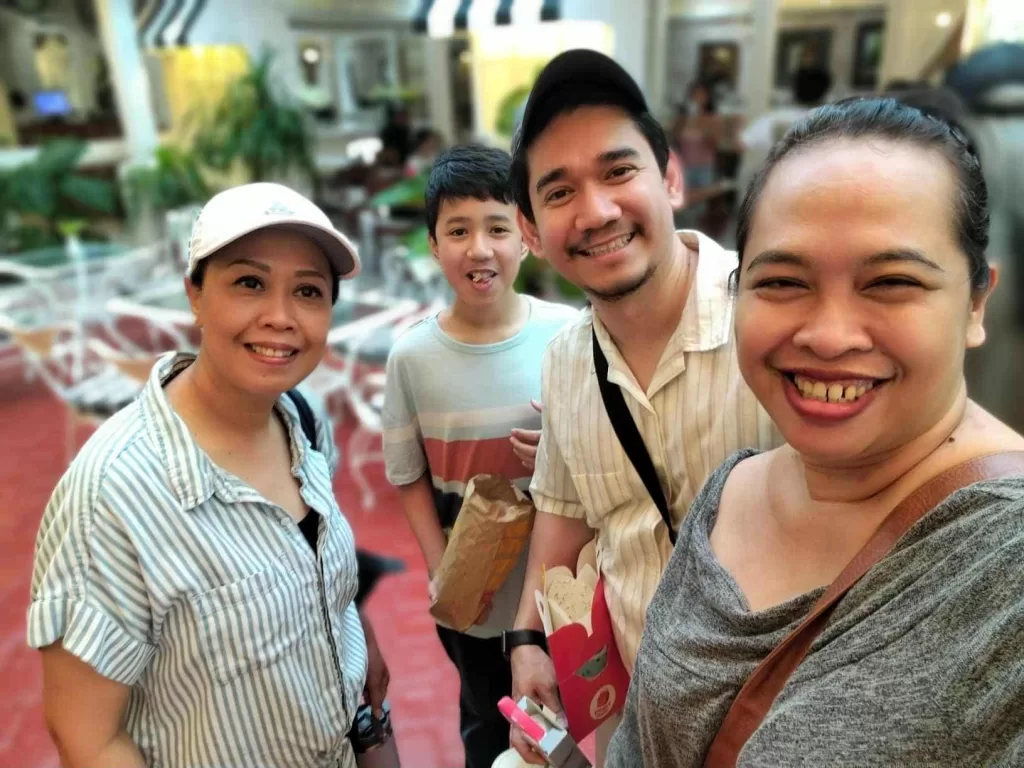
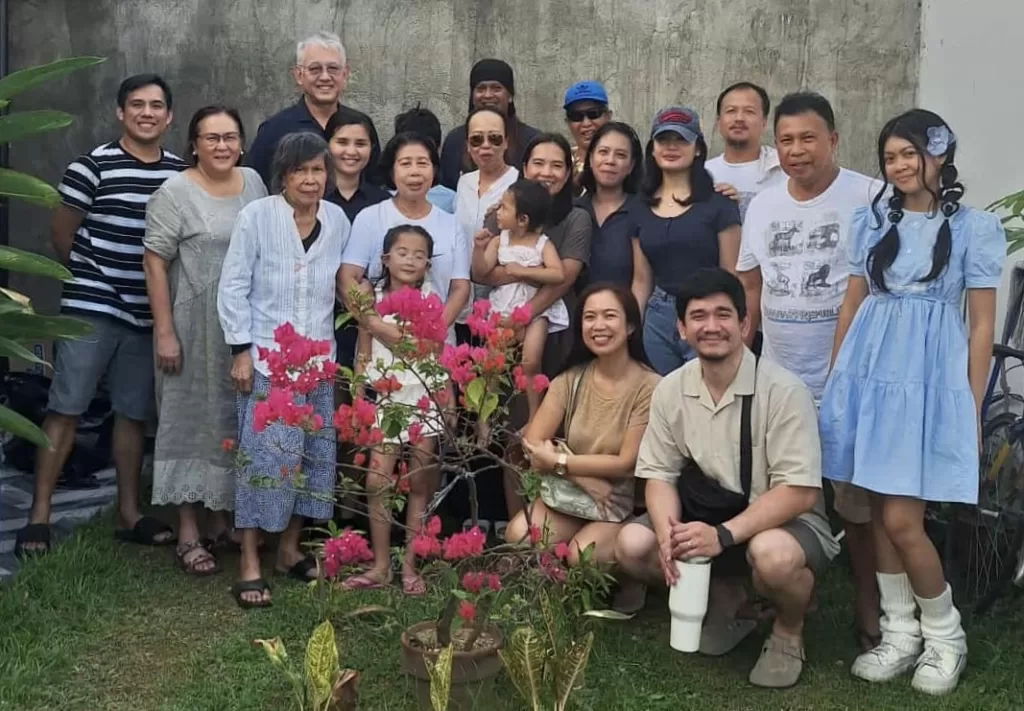
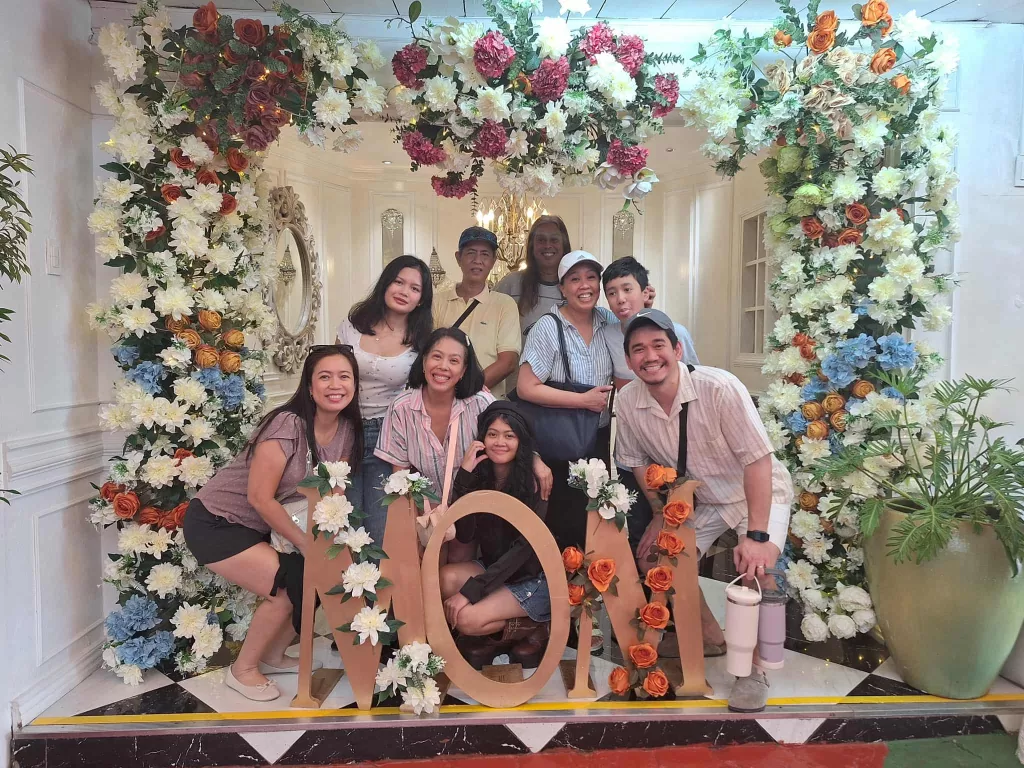
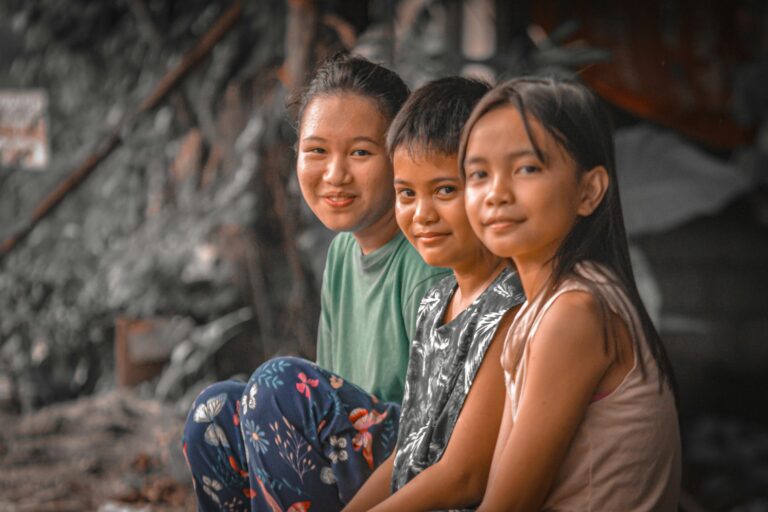
Long absences from home don’t fully prepare someone for the strong emotions of family reunions. These gatherings are lively, noisy, and filled with love, where family connections shine through in hugs and laughter. Our son met many cousins, uncles, and aunts in a whirlwind of affection that was sometimes overwhelming but very sweet.
One morning, I heard a loud call for “Tahoo” while I was still in the shower. I quickly finished and rushed out the gate in my clothes. Taho is a popular Filipino snack made of warm silken tofu, sweet arnibal syrup, and tapioca pearls. It is a typical breakfast food, although Leon was unsure about trying it. He chose not to try more adventurous foods, such as balut—a fertilized duck egg with an embryo—or penoy, a softer boiled egg version. This highlights the variety of tastes in Filipino families.
Every day began with freshly baked pandesal dunked in coffee—a simple, sweet, crumb-coated bread that’s foundational to Filipino breakfasts. However, pandesal’s popularity means you must rise early to grab it before the day’s supply dwindles.
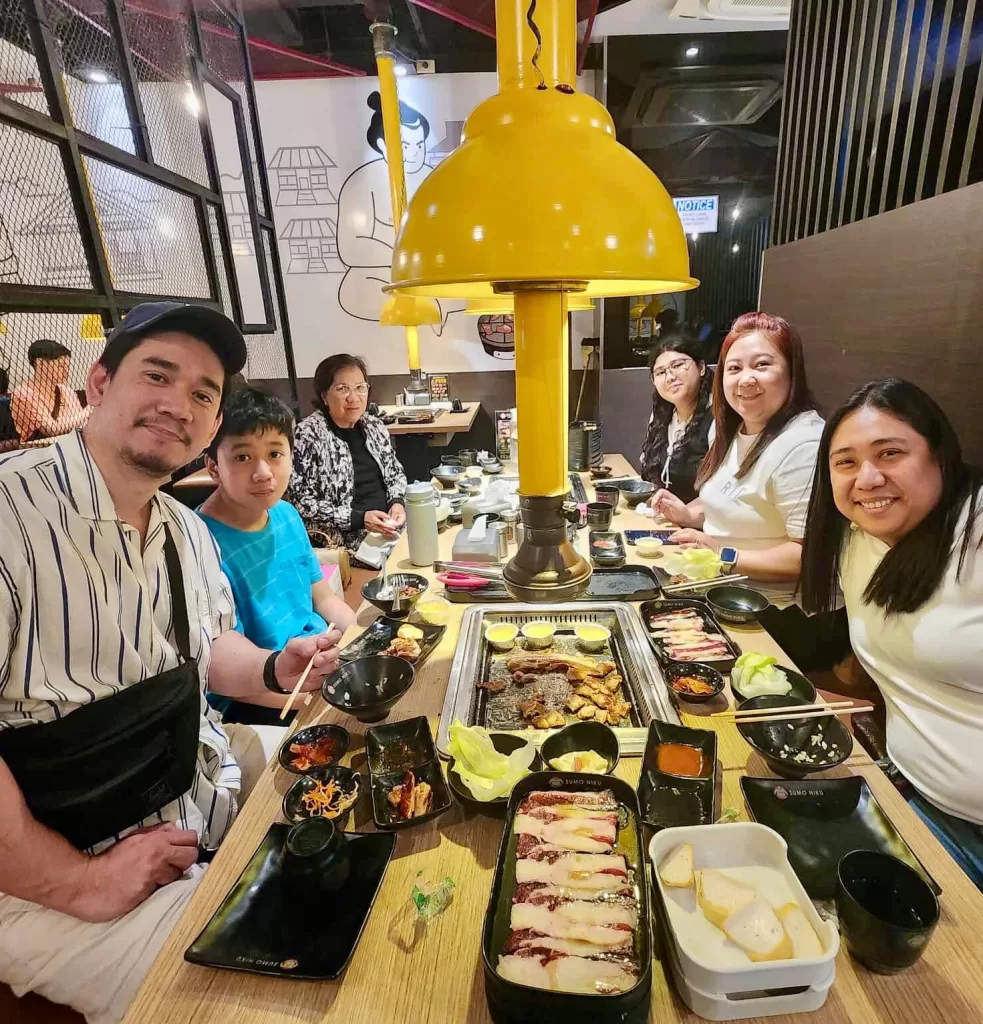
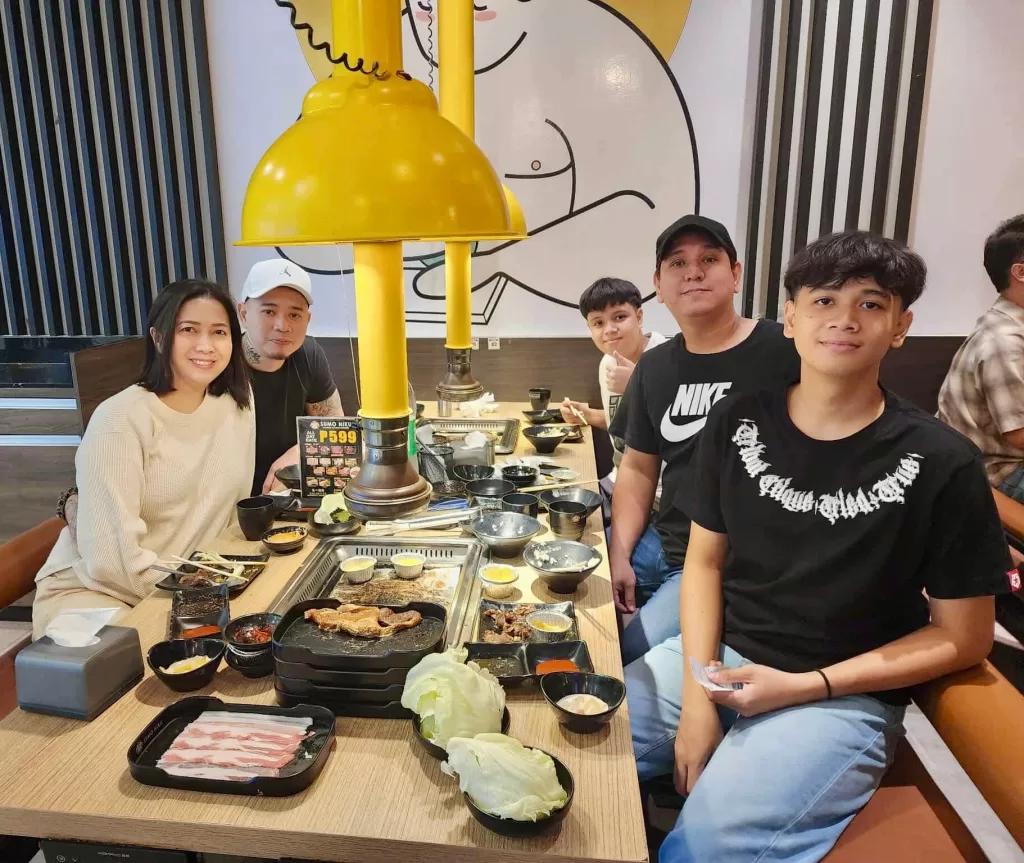
Family and friend reunions were frequent, and each meal featured classic dishes such as pancit (noodles), kaldereta (a meat stew), pork barbecue, and kakanin (rice cakes). These gatherings felt special, bringing people together through good food and friendship.
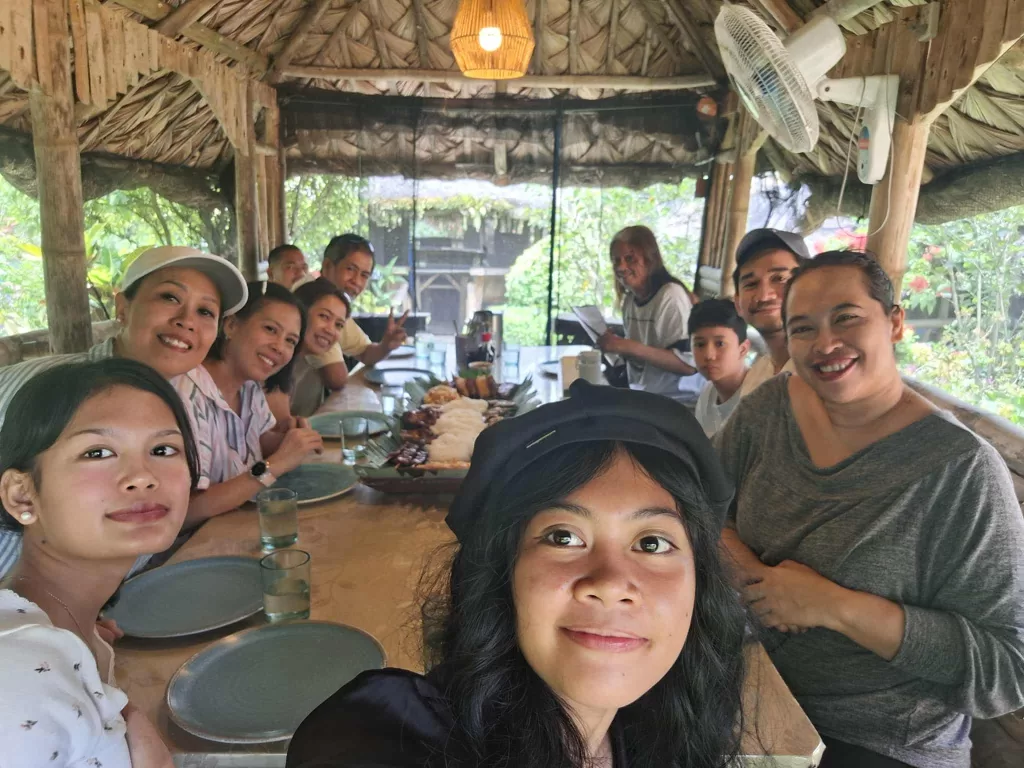
We visited a friend’s farm for a gathering. After a big meal, we had fun singing karaoke, a popular way to spend time together. Singing ’90s ballads with full stomachs under the open sky.
(Learn more about Filipino culture: Read this blogpost Exploring Filipino Culture: 15 Things You Should Know)
Trip Highlights Worth Cherishing
Among the days spent exploring and connecting, a few stood out as particularly memorable:
- We took a trip to Tagaytay, where we enjoyed the fresh air and beautiful hills. We had a communal meal called a boodle fight in Balingsasayaw. At this meal, everyone shares food served on banana leaves and eats with their hands. We also enjoyed cold drinks at the local café, Bag of Beans. The atmosphere was refreshing, and we took time to appreciate our surroundings.
- Reunions included friends from church, college, and high school. Each type of reunion provided a unique sense of community and nostalgia.
- My husband and I took some needed voice lessons with our longtime vocal coach and friend.
- Leon made his own chocolate bar at the Godel Factory with his dad. This fun experience combined creativity and learning.
- Family dinners in Nuvali and the Mall of Asia featured Korean barbecue, chicken caldereta, and crispy pata. These meals were more than just food; they celebrated rich flavors and textures.
- Our family also attended Sunday service at New Life Church, allowing spiritual connections to deepen even during our travels.
- Leisure activities included shopping trips to malls with familiar brands and stops at classic eateries for treats like Razon’s Halo-Halo, a colorful ice-based dessert perfect for tropical weather, and Mary Grace Cafe‘s renowned hot chocolate for an excellent nightcap.
- Transportation adventures with tricycles offered a mix of thrills and bumps, a novelty described by Leon as “cool but kinda bumpy.”
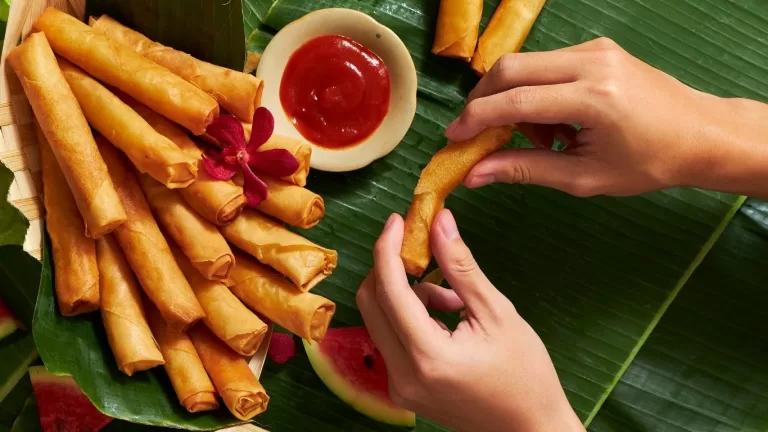
- Street food tastings, such as taho, balut, and kakanin, complemented tricycle rides, extending our sensory immersion into local life.
(Find out the 20 Must-Try Filipino Street Foods: A Journey into Authentic Pinoy Flavors)
Tips for Families Planning Their Trip to the Philippines
Based on our experience, we have some valuable tips for families planning their journey.:
- Book flights early, preferably with airlines known for their Filipino hospitality, to ensure a smooth and culturally familiar experience.
- When departing from U.S. airports, consider Park & Fly services to ease the parking and airport access process.
- Opt for Airbnb accommodations for more extended stays, where home-like amenities and space offer comfort and practicality over hotel rooms.
- Help kids by sharing stories, cultural insights, and what to expect, so they can better handle changes and ease any culture shock.
- Pack light but always include essential medications, vitamins, and snacks for convenience and health.
- Jet lag is a real phenomenon; stay hydrated and get plenty of rest.
- The Grab app is essential (like Uber, and patience with local traffic culture is vital.
- The weather in the Philippines is often hot and humid, with many rain showers. Wear lightweight and breathable clothes, and bring rain gear.

Conclusion: Finding Home, No Matter Where We Are
Our return home brought back far more than shopping bags filled with clothes—it rejuvenated our sense of Filipino identity and belonging. Although our passports now bear the mark of American citizenship, this journey reaffirmed our Filipino roots, which are deeply embedded within us.
Living abroad has deepened our appreciation for family ties, culture, and culinary traditions. Each rickety tricycle ride, shared meal, and reunion is a testament to enduring grace, connection, and God’s blessings. Our main takeaway from this trip is our gratitude to God and the understanding that we are blessed to be a blessing.
If you’re planning a trip to the Philippines, I hope our story encourages you to go. Leap. Reconnect. Be amazed. And yes, eat all the balut and halo-halo.
Need help planning? Download our free travel checklist, packing list, and budget tracker. CLICK HERE.
Drop a comment, share your balikbayan story!
’Til the next adventure,
Cyril Montanes


2 Comments
Comments are closed.