
25 Must-Try Filipino Dishes That Will Make You Crave Pinoy Food
Introduction: Why Filipino Food Is a Love Language
When I think about home-cooked Filipino food, I don’t just think of a place—I think of a bowl of warm sinigang (tamarind-based pork stew), crispy lumpia (spring rolls) disappearing faster than I can fry them, and the laughter around a lechon-filled (pork roast) table. As someone who grew up in the Philippines and now lives in the U.S., I’ve learned that Filipino dishes aren’t just food—they’re comfort, culture, and connection.
Whether you’re a fellow Pinoy missing home or you’re curious about Filipino cuisine and want to understand why we love it so much, this post is your flavor-packed introduction to 25 must-try Filipino foods. These dishes capture the heart of our food culture—rich in flavor, deeply rooted in tradition, and meant to be shared.
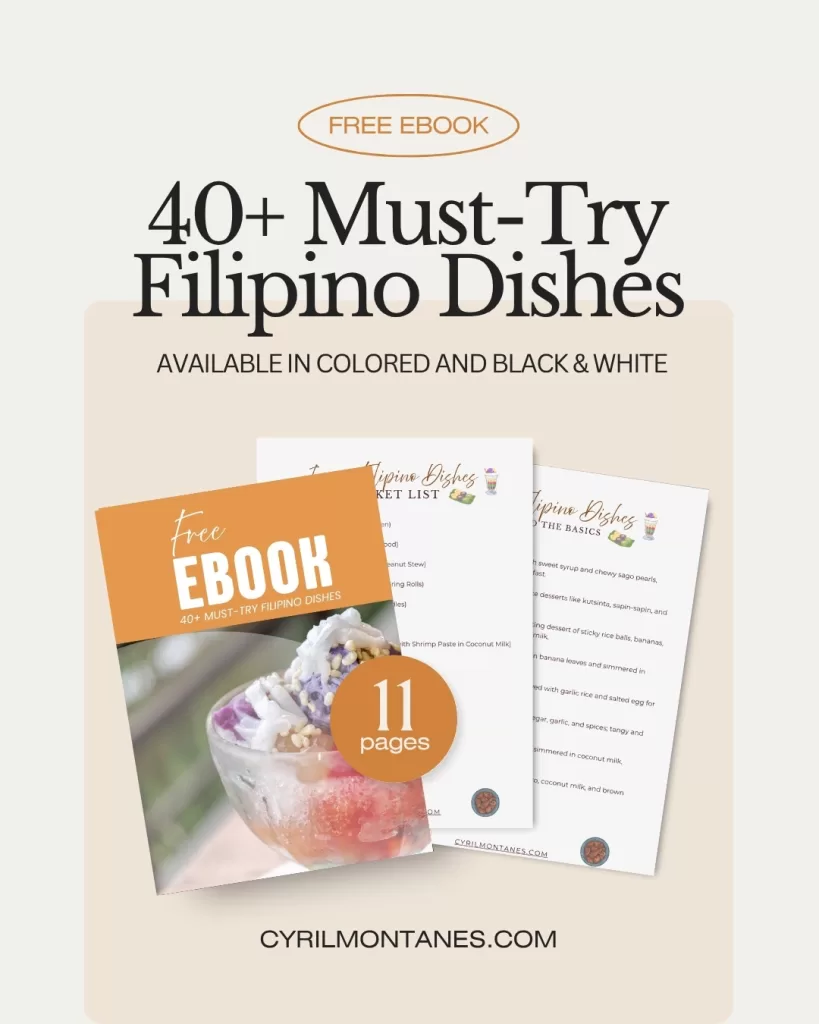
Before we dive into the dishes, grab this free ebook and printable bucket list with 40+ Filipino foods to explore, journal pages, and more! Sign up below 👇
Let’s dig into these popular Filipino dishes—and yes, I’ll link you to the best recipes from my two trusted Filipino food bloggers and recipe creators.
1. Filipino Adobo (Pork or Chicken)
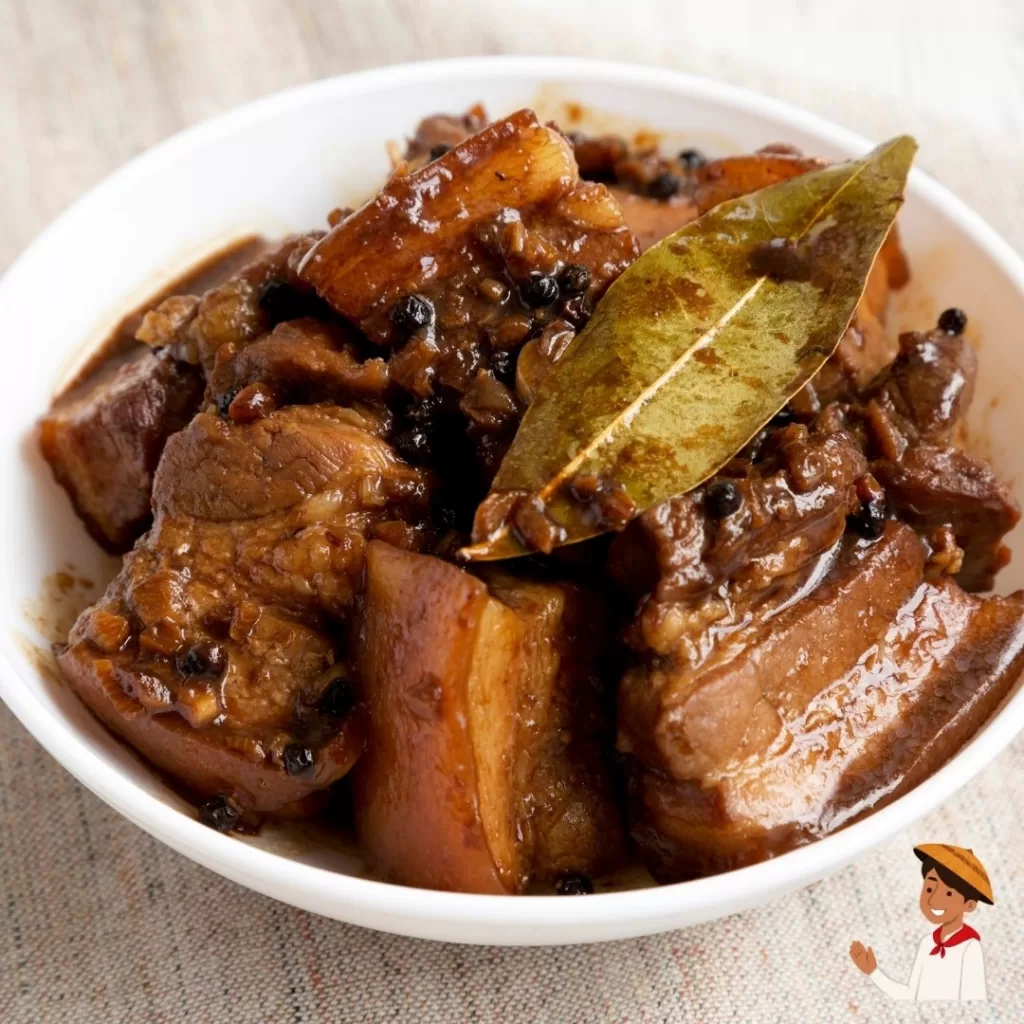
Filipino Adobo is the signature dish of the Philippines—savory, tangy, and unforgettable. Made by simmering chicken or pork in a mixture of vinegar, soy sauce, garlic, peppercorns, and bay leaves, it’s the kind of comfort food that brings families together.
Every Filipino has their own version—some prefer it dry and garlicky, while others opt for a saucy dish with a rich, bold flavor. Some even add coconut milk or hard-boiled eggs. No matter the twist, adobo is always deeply Filipino. Just serve it over hot rice, and enjoy that comforting first bite.
Bonus: it tastes even better the next day, making it ideal for meal prep.
👉 Try this classic Chicken Adobo recipe from Panlasang Pinoy
👉 Curious about its roots? Read What Is Filipino Food? Let’s Talk About Adobo
Looking for lunch ideas? Find adobo in my post on: Easy Filipino Chicken Recipes for Busy Moms
2. Sinigang (Tamarind Sour Soup)
A Filipino comfort food that feels like a hug on a rainy day, sinigang is one of the most beloved dishes in Filipino cuisine. Its signature tang comes from tamarind (sampalok), which gives the broth a bright, refreshing acidity that’s both soothing and appetite-boosting.
Traditionally made with pork, shrimp, or bangus (milkfish) and packed with vegetables like kangkong (water spinach), labanos (radish), eggplant, sitaw (string beans), and okra, sinigang is a complete meal in one flavorful bowl. It’s the kind of dish that makes you close your eyes after the first spoonful and go, “Ahhh, lutong bahay,” which means home-cooked.
What I love most about Filipino sinigang is its versatility. You can adjust the sourness to suit your taste—some prefer it sharp, while others like it mellow. And while tamarind is classic, you can also use calamansi (Philippine lime), green mango, or kamias (also known as cucumber tree).
👉 Try Kawaling Pinoy’s Pork Sinigang recipe—a great place to start for this cozy and beginner-friendly dish.
3. Kare-Kare (Filipino Peanut Stew)
Rich, nutty, and deeply comforting, kare-kare is a classic Filipino dish often served at celebrations. This peanut-based stew is traditionally made with oxtail, but also works beautifully with beef shank, tripe, or even seafood.
Simmered until tender, the meat is combined with a creamy peanut sauce and served with banana heart, string beans, eggplant, and pechay (also known as bok choy). But what truly elevates kare-kare? A side of bagoong (fermented shrimp paste) for that iconic salty-umami kick.
👉 Learn how to make this rich stew with Panlasang Pinoy’s Kare-Kare recipe—and don’t skip the bagoong!
Enjoying the list? Grab the FREE ebook and printable version:
4. Lumpiang Shanghai (Filipino Spring Rolls)
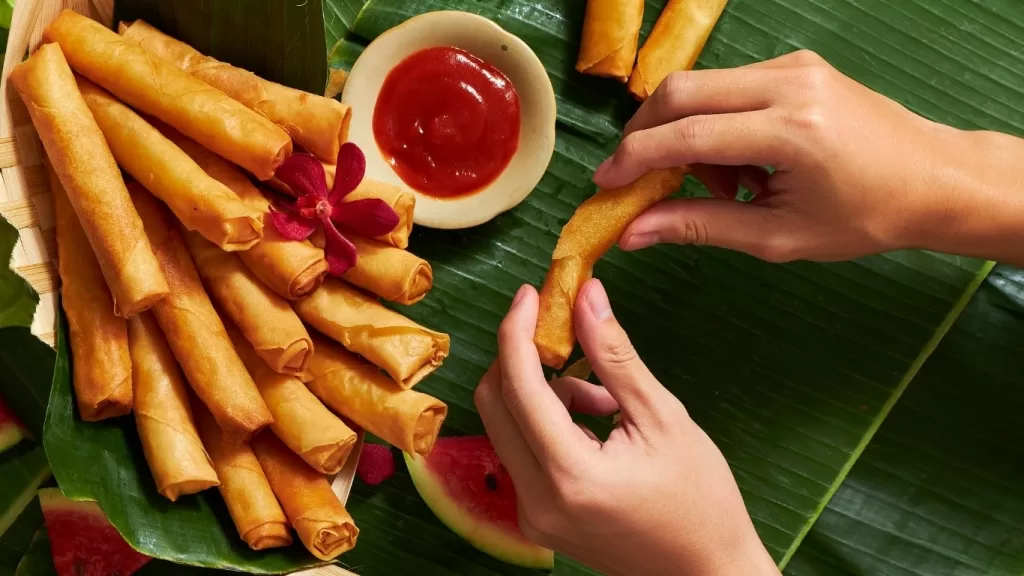
Crispy, golden, and irresistibly crunchy—Lumpiang Shanghai is the ultimate Filipino party food. These bite-sized spring rolls are packed with a savory mix of ground pork, vegetables, and seasonings, then fried to perfection.
No birthday or fiesta felt complete without a tray of Filipino lumpia at the table. They’re freezer-friendly, great for meal prep, and a total hit with both kids and adults.
👉 Try this recipe from Panlasang Pinoy
👉 Learn more about this iconic Filipino dish. Please read my full blogpost Lumpiang Shanghai: A Classic Filipino Dish That Steals the Show
5. Pancit Bihon (Filipino Rice Noodles)
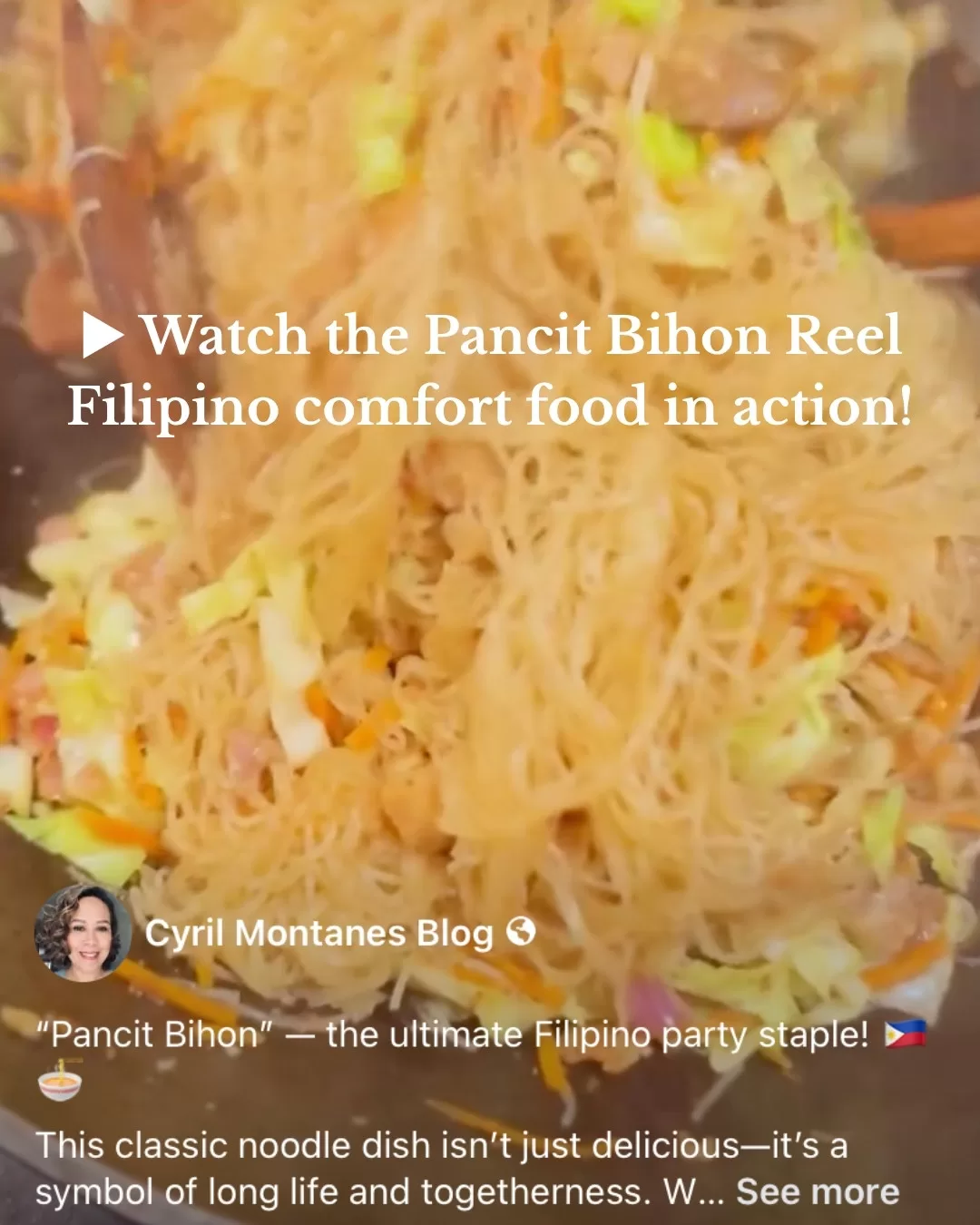
I filmed a quick reel while making this at home—because nothing beats homemade Pancit Bihon!
🎥 Watch the reel here and don’t forget to follow me on Facebook for more Filipino food reels.
A birthday essential in every Filipino home, Pancit Bihon is more than just a noodle dish—it symbolizes long life and prosperity. Stir-fried with thin rice noodles, vegetables, chicken, shrimp, and soy sauce, this dish is a flavorful, quick, and satisfying meal.
Growing up, I watched aunties prepare huge trays of pancit early in the morning for celebrations. It’s perfect for baon (packed lunch), merienda (snack), or potlucks.
👉 Give this easy recipe from Kawaling Pinoy a try.
6. Lechon (Filipino Roasted Pig)
Lechon isn’t just food—it’s a celebration. A whole roasted pig, seasoned and slow-cooked over charcoal until the skin is crispy and the meat is incredibly juicy, lechon is the star of any fiesta, wedding, or big Pinoy gathering.
I grew up seeing lechon laid out on long tables, knowing something special was being celebrated. That golden crackling skin, the aroma of lemongrass and garlic—it was pure excitement. It’s traditionally served with liver-based lechon sauce (hello, Mang Tomas —a popular lechon sauce brand). And while roasting a whole pig might be tough at home, you can recreate the experience with a Lechon Belly Roll.
And the leftovers? Even better, the next day was lechon paksiw. Lechon Paksiw is a genius Filipino leftover dish made by simmering chopped lechon in a mixture of vinegar, liver sauce (similar to Mang Tomas), garlic, and spices. The result? A rich, tangy-sweet stew that gives day-old lechon a whole new life—some even say it tastes better than the original! Perfect with rice and made for next-day fiesta cravings.
👉 Try this Lechon Belly Roll recipe from Kawaling Pinoy.
7. Bicol Express (Spicy Pork in Coconut Milk)
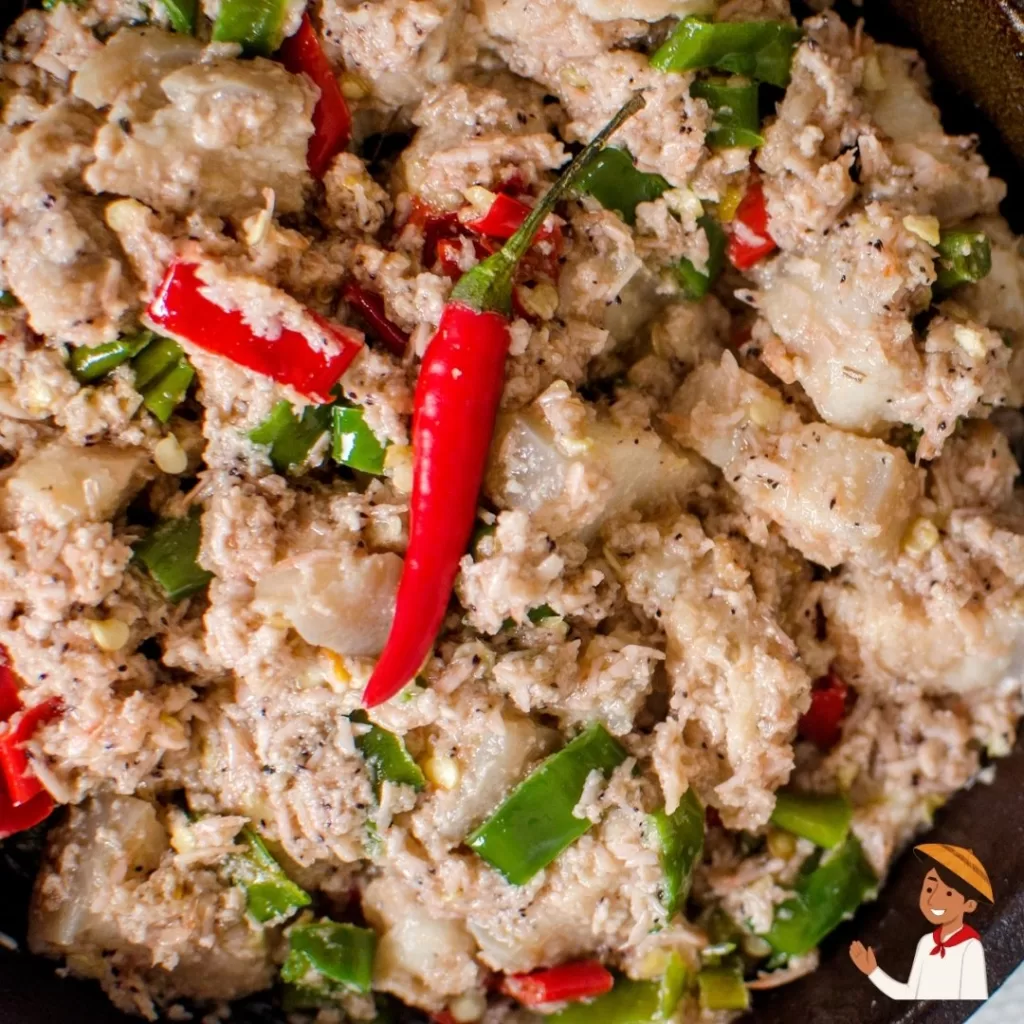
Born in the Bicol Region—my home!—Bicol Express is bold, spicy, and creamy. This dish features pork stewed in coconut milk (gata) with shrimp paste, garlic, onions, and siling labuyo (bird’s eye chili) for that signature heat.
The combo of gata and chili is a Bicolano staple. Serve it over rice and enjoy that spicy kick and comforting creaminess in one bite.
👉 Try Kawaling Pinoy’s Bicol Express recipe and don’t be shy with the chili if you love heat like I do!
8. Chicken Inasal (Grilled Filipino Chicken)
Chicken Inasal is a Bacolod specialty—grilled chicken marinated in calamansi juice (a type of Philippine lime), cane vinegar, lemongrass, garlic, and atsuete (annatto oil). Grilled over coals and basted in its marinade, it’s smoky, juicy, and tangy.
Eat it with garlic rice, drizzle with chicken oil, and don’t forget the sinamak (spiced vinegar)! This is Filipino barbecue at its finest.
👉 Panlasang Pinoy’s Chicken Inasal recipe nails the Bacolod flavor.
9. Laing (Dried Taro Leaves in Coconut Milk)
A Bicolano comfort dish, laing is made with dried taro leaves simmered in coconut milk, garlic, ginger, and chili. Sometimes topped with shrimp or dried fish, it’s earthy, spicy, and deeply satisfying.
Cooked low and slow, the leaves absorb every drop of that rich gata (coconut milk). It’s a dish that tastes like the Philippine countryside.
👉 This laing recipe from Panlasang Pinoy is a good starting point if you’ve never cooked with taro leaves.
10. Tokwa’t Baboy (Tofu and Pork)
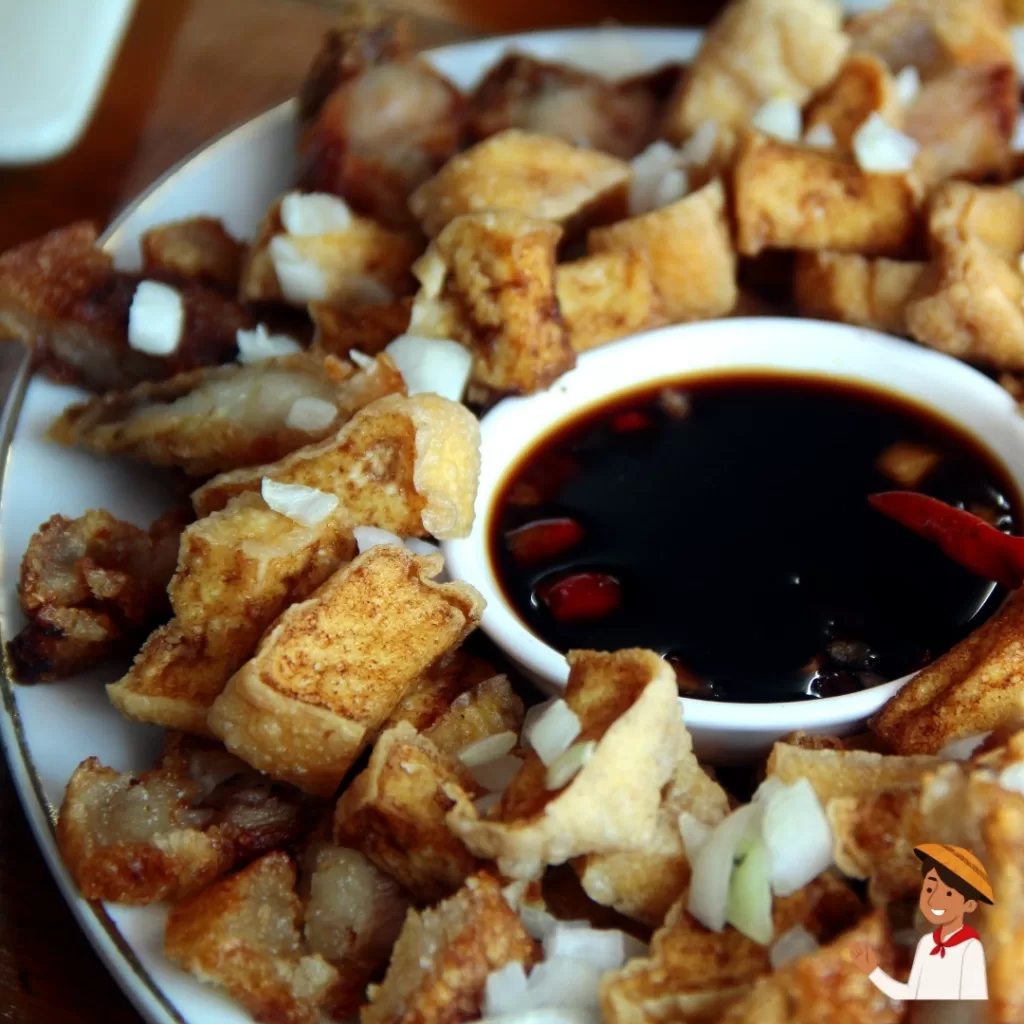
Tokwa’t Baboy is a bold and savory Filipino dish made with crispy tofu and tender pork ears or belly, tossed in a garlicky soy-vinegar dressing. It’s crunchy, tangy, and incredibly satisfying.
Often served as pulutan (beer food) or a side dish to lugaw (rice porridge), Tokwa’t Baboy offers the perfect balance—zesty and crisp bites paired with soft, comforting rice. Customize it with more vinegar for extra tang or add chili for a kick of heat.
👉 Try this recipe at home—easy, delicious, and full of Pinoy flavor.
11. Arroz Caldo (Filipino Chicken Rice Porridge)
Arroz Caldo is the Filipino version of chicken soup—warm, nourishing, and deeply comforting. This ginger-infused rice porridge is simmered with garlic, onions, and chicken (often bone-in), then topped with a boiled egg, scallions, fried garlic, and calamansi (a Philippine lime).
Hearty and soothing, it’s the go-to dish for rainy days, sick days, or cozy meriendas. Thicker than congee, its porridge-like texture and bold ginger flavor make it a standout.
I always top mine with fish sauce and extra crispy garlic. For the ultimate comfort combo, pair it with Tokwa’t Baboy.
👉 Try Kawaling Pinoy’s Arroz Caldo recipe—perfect for beginners and anyone craving Filipino comfort food.
12. Sisig (Filipino Sizzling Pork)
Sisig is a sizzling Filipino dish made from chopped pork cheeks, ears, and liver—crispy, creamy, tangy, and crave-worthy. Served on a hot cast-iron plate, it’s the kind of dish you hear before you see—the sizzle is unforgettable.
Originating from Pampanga, the culinary heart of the Philippines, sisig was born from creativity and resourcefulness. It’s now a beloved pulutan (bar food) and just as good served over garlic rice with a fried egg (breakfast sisig, anyone?).
Every bite delivers a mix of textures—crispy skin, chewy pork bits, onions, chili, and calamansi. Some add egg, mayo, or chicharon for extra richness. We sometimes use pork belly or bangus at home for a lighter version—still sizzling and delicious.
👉 Try Panlasang Pinoy’s Sisig recipe—an easy way to bring the sizzle home.
Curious about Filipino street food culture? Dive into my guide: Must-Try Filipino Street Foods
13. Dinuguan (Filipino Pork Blood Stew)
I know what you’re thinking—pork blood stew? But trust me, Dinuguan is one of those bold Filipino dishes that surprises people in the best way.
It’s made by simmering pork (belly, shoulder, or offal) in a mixture of vinegar, garlic, onions, and fresh pork blood. The result? A thick, savory, slightly tangy stew with deep umami flavor and a rich, dark color.
Often served at Filipino fiestas or gatherings when a pig is butchered, Dinuguan is a dish rooted in tradition and resourcefulness. It pairs perfectly with puto—those soft, steamed rice cakes that balance the stew’s boldness with a hint of sweetness.
👉 Try Kawaling Pinoy’s Dinuguan recipe—perfect if you’re curious and ready to be pleasantly surprised.
14. Pochero (Filipino Pork Stew with Tomato Sauce)
Pochero (or puchero) is a Filipino tomato-based stew made with pork or beef, cabbage, potatoes, chickpeas, and saba bananas. The bananas add a subtle sweetness that balances the rich, savory sauce, making it both comforting and festive at the same time.
Inspired by Spanish cocido, this dish has been Filipinized with local ingredients, making it a weekend favorite in many Filipino homes. You’ll often find it simmering on a Sunday morning, filling the air with the aromas of garlic, onions, and bay leaves.
Serve it with steamed rice to soak up every bit of that flavorful sauce.
👉 Try Panlansang Pinoy’s Pochero recipe—a hearty, home-cooked version that’s full of warmth and tradition.
15. Ginisang Munggo (Filipino Sautéed Mung Bean Stew)
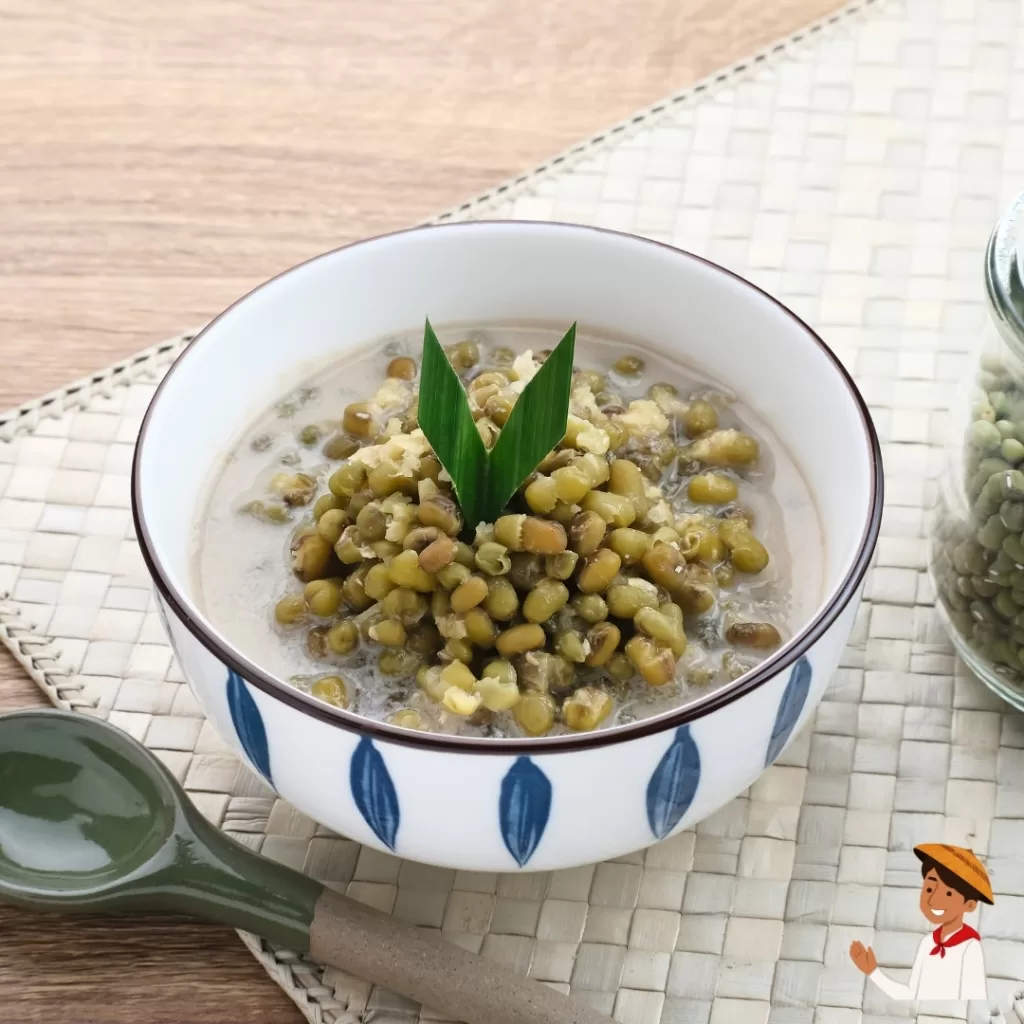
Ginisang Munggo (sauteed mung bean stew) is a humble Filipino classic—nutritious, comforting, and budget-friendly. Often served on Fridays, this dish is made by sautéing garlic, onions, and tomatoes, then simmering the mung beans until they are soft and slightly creamy.
Common add-ins include malunggay leaves, ampalaya (bitter melon), or crispy pork for extra flavor. Some even use tinapa (smoked fish) for a smoky twist.
It’s a dish that reminds me of my mom’s kitchen—simple but full of heart. Serve it with steamed rice and fried fish, or enjoy it on its own for a satisfying, fiber-rich meal.
👉 Try this easy Ginisang Munggo recipe—a cozy, easy-to-follow recipe that brings munggo to life.
16. Tapsilog (Filipino Cured Beef, Garlic Rice, and Egg)
Tapsilog is a beloved Filipino breakfast dish made of three parts: Tapa (cured beef), Sinangag (garlic fried rice), and Itlog (fried egg). Smoky, garlicky, and savory—it’s a complete, satisfying meal on one plate.
Tapa is thinly sliced beef marinated in soy sauce, calamansi, sugar, and garlic, then grilled or fried until caramelized. Sinangag uses leftover rice sautéed in garlic oil, while itlog adds that perfect yolky finish.
You’ll find Tapsilog at roadside eateries, carinderias, and every Filipino breakfast table—often with spiced vinegar and atchara on the side. It’s pure comfort food, especially on road trips or lazy weekends.
👉 Try this Tapsilog recipe—easy to make and perfect for brunch or baon (packed lunch).
17. Pinakbet (Filipino Vegetable Stew with Shrimp Paste)
Pinakbet (or pakbet) is a vibrant Filipino vegetable stew from Ilocano cuisine, made with eggplant, bitter melon (ampalaya), okra, squash, string beans, and tomatoes—sautéed in bagoong alamang (fermented shrimp paste) for bold umami flavor.
This dish is hearty, rustic, and perfectly balanced—savory, slightly bitter, and naturally sweet from the veggies. It’s traditionally served with rice and sometimes topped with crispy pork or fried fish for extra indulgence.
Pinakbet taught me to love vegetables the Filipino way—bold, honest, and full of flavor.
👉 Try this Pinakbet recipe—a simple, delicious way to enjoy veggies, Pinoy-style.
18. Bangus (Filipino Milkfish)
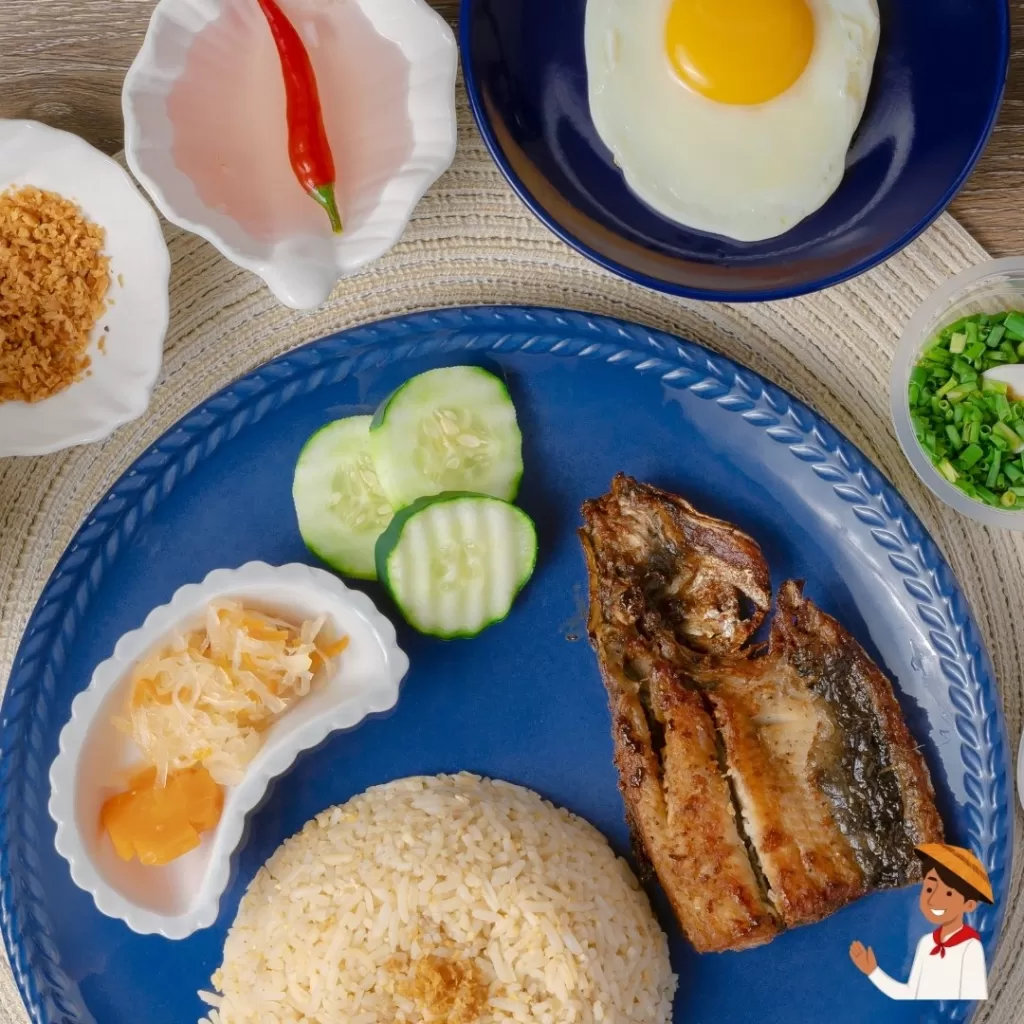
Bangus (milkfish) is the national fish of the Philippines and a beloved staple in many Filipino kitchens. Whether grilled, fried, stewed, or marinated daing-style, this tender and mildly sweet fish always delivers comfort and flavor.
One of the most popular versions is Daing na Bangus—butterflied milkfish marinated in vinegar, garlic, and pepper, then pan-fried until golden. It’s a classic Filipino breakfast, served with garlic rice, tomatoes, and spiced vinegar.
Yes, bangus has more bones than most fish, but the flavor is worth it—and boneless bangus is now widely available for convenience.
👉 Try Kawaling Pinoy’s Daing na Bangus recipe—easy, crispy, and perfect with rice and a fried egg.
19. Inihaw na Liempo ( Filipino Grilled Pork Belly)
Inihaw na Liempo is Filipino-style grilled pork belly—juicy, smoky, sweet, and perfectly charred. It’s the ultimate star at barbecues, beach trips, and Sunday ihawan (grill parties).
Marinated in soy sauce, calamansi, garlic, sugar, and sometimes banana ketchup, the pork belly is grilled over charcoal until caramelized and crisp around the edges. The flavor? Bold and unforgettable.
For many Pinoys, this dish brings back memories of family gatherings, eating with our hands, rice wrapped in banana leaves, and spicy vinegar dip on the side.
👉 Try Panlasang Pinoy’s Inihaw na Liempo recipe—a backyard barbecue favorite that always hits the spot.
20. Ginataang Kalabasa at Sitaw (Filipino Squash and Long Beans in Coconut Milk)
Ginataang Kalabasa at Sitaw is a comforting Filipino vegetable dish made with squash (kalabasa) and long beans (sitaw) simmered in creamy coconut milk (gata). It’s subtly sweet, budget-friendly, and packed with nutrients.
The squash becomes soft and buttery, while the beans stay crisp, creating a perfect balance of textures. Some versions include shrimp or pork, but it’s just as delicious meatless.
This was a weekly favorite growing up—simple, filling, and full of home-cooked warmth. If you’re looking to enjoy more vegetables the Filipino way, this one’s a must-try.
👉 Cook it yourself with Kawaling Pinoy’s Ginataang Kalabasa at Sitaw recipe—a creamy, classic comfort dish.
21. Halo-Halo (Filipino Shaved Ice Dessert with Ube, Leche Flan & More)
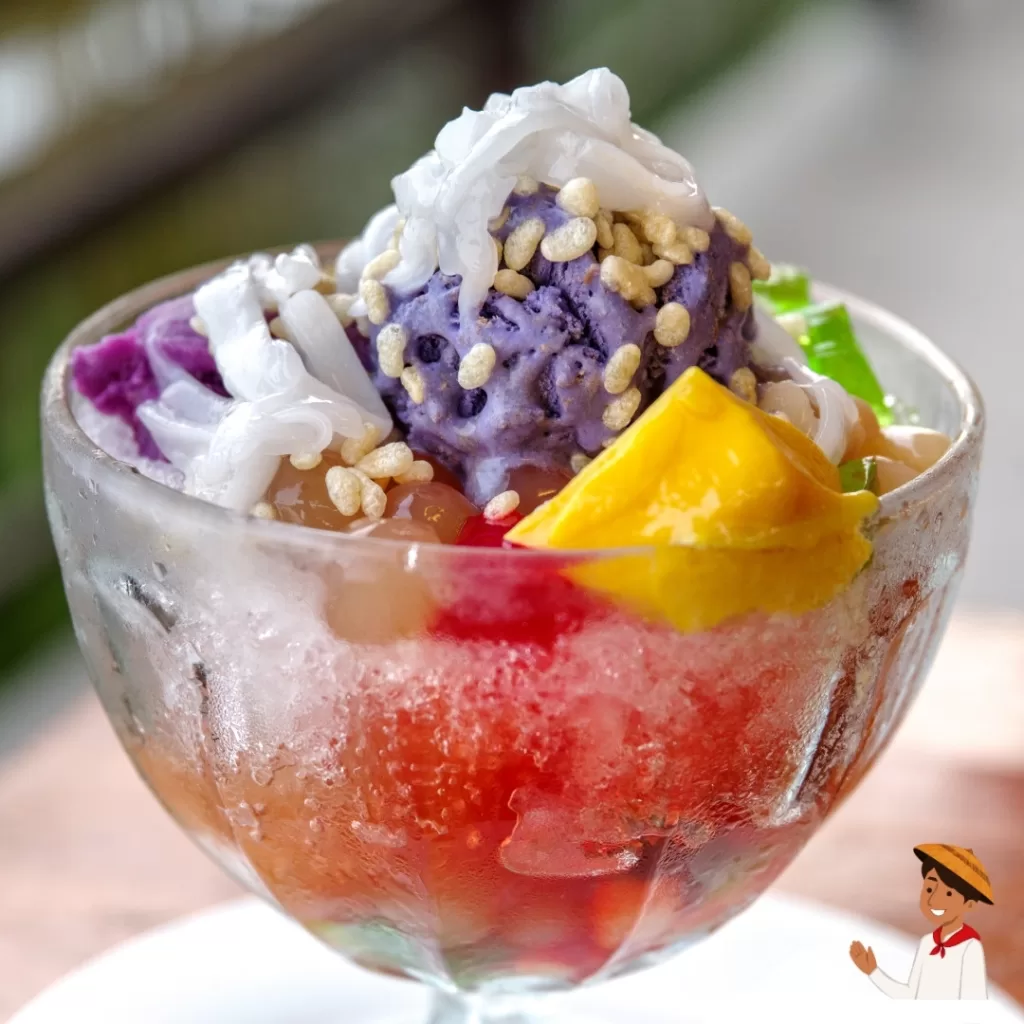
Halo-Halo (literally “mix-mix”) is the most iconic Filipino dessert—a colorful, icy treat made with shaved ice, evaporated milk, and a medley of tropical ingredients like ube halaya, leche flan, sweet beans, coconut strips, and jackfruit.
Every spoonful is a burst of textures and flavors—sweet, creamy, chewy, and refreshing. Topped with ube ice cream or pinipig, it’s the perfect way to cool down on hot days.
For many of us, this dessert brings back memories of summer meriendas and fiestas, racing to the nearest stand for a tall glass of frozen joy.
👉 Make your own with this Halo-Halo recipe—a delicious way to explore Filipino flavors.
👉 Craving more? Check out my post: Savor the Sweet Side of the Philippines: A Guide to Filipino Desserts
22. Turon (Filipino Caramelized Banana Spring Rolls)
Turon, or banana lumpia, is a beloved Filipino street food dessert made by wrapping ripe saba bananas (sometimes with jackfruit) in lumpia wrappers, then frying them until crispy and golden with a glaze of caramelized sugar.
Crunchy on the outside, gooey on the inside—it’s sweet, satisfying, and impossible to eat just one. You’ll often see turon sold by vendors alongside banana cue and kamote cue during merienda time.
This was my favorite after-school treat growing up, and even now, the smell of frying sugar and saba brings back the best memories.
👉 Try Panlasang Pinoy’s Turon recipe—perfect for dessert, merienda (snack), or party snacks.
👉 Discover more the Must-Try Filipino Street Foods
23. Bibingka (Filipino Rice Cake with Salted Egg and Cheese)
Bibingka is a soft, fragrant Filipino rice cake baked in banana leaves and topped with salted egg and cheese—a beloved holiday treat, especially during Simbang Gabi (dawn masses) in December.
Traditionally cooked over hot coals, bibingka has a gently smoky aroma and a perfect sweet-savory balance. The banana leaf adds earthiness, while the toppings bring rich contrast.
This nostalgic dessert reminds many of Filipino Christmas mornings, hot salabat (ginger tea), and the scent of bibingka filling the air outside churches.
👉 Bake your own Bibingla with Panlasang Pinoy’s recipe — perfect even without clay pots or coals.
24. Puto (Filipino Steamed Rice Cakes)

Puto is a soft, fluffy Filipino steamed rice cake made with rice flour, coconut milk, and sugar. Lightly sweet and ultra-versatile, it’s often served with savory dishes like Dinuguan (pork blood stew) or Pancit.
Served in small, round shapes—sometimes topped with cheese or salted egg—puto is a merienda staple and party favorite. Steaming gives it a melt-in-your-mouth texture, perfect with coffee or dipped in ulam.
From classic white to ube and pandan variations, there’s a puto for everyone—but the original will always be close to our Filipino hearts.
👉 Try Puto Cheese recipe—a beginner-friendly version with melty goodness on top.
25. Ube Halaya (Filipino Purple Yam Jam)
Ube Halaya is a rich, creamy Filipino purple yam jam made by cooking mashed ube with coconut milk, condensed milk, butter, and sugar. Its naturally vibrant violet color and nutty-vanilla flavor make it a standout dessert and a staple during holidays.
Whether chilled and topped with cheese or used in halo-halo, ube ice cream, or ube cheesecake, this treat is both beautiful and nostalgic. Making it takes patience, but the result? Sweet, earthy, and deeply comforting.
I’ll always treasure memories of stirring ube halaya with my lola during Christmas—it’s more than a dessert; it’s tradition in a pan.
👉 Follow Kawaling Pinoy’s Ube Halaya recipe—a perfect beginner-friendly version that captures that classic holiday flavor.
👉 Want more sweet ideas? Visit my post: Savor the Sweet Side of the Philippines: A Guide to Filipino Desserts
Conclusion
Filipino dishes bring people together. They tell our stories, honor our roots, and make any moment feel like home. Whether you’re rediscovering your favorites or trying something new, I hope this list helps you celebrate the rich and flavorful world of Pinoy food.
💬 Which one are you trying first? Share your thoughts in the comments—or tag me if you make one!
Ready to start your Filipino food journey? Sign up below to get the bucket list Ebook & printable guide FREE!




One Comment
Comments are closed.