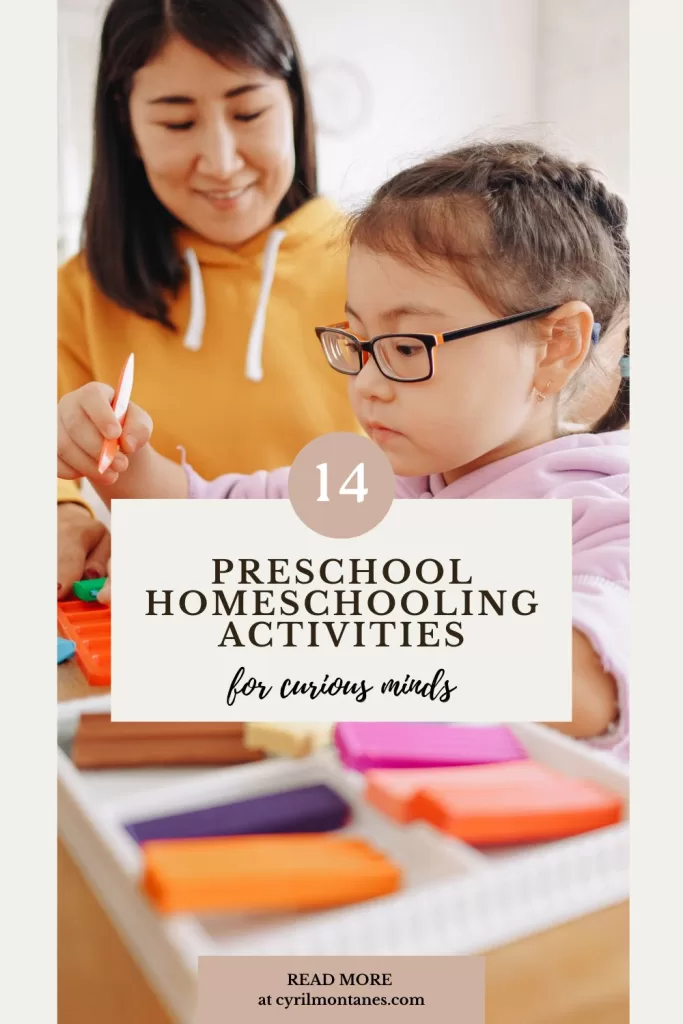
14 Preschool Homeschooling Activities for Curious Minds
Introduction
Homeschooling preschool can be a rewarding experience for both parents and children. This stage is all about exploration, creativity, and building essential skills for lifelong learning. One of the biggest advantages is flexibility—you can tailor activities to your child’s unique needs and interests.
If you’re looking for fun learning ideas for preschoolers, this guide is here to help! You’ll find enjoyable and productive activities for your homeschool days, as well as simple projects for toddlers.
Dive into the Top 10 Reasons Why I Chose To Homeschool My Son. Read this article!
Why Homeschooling Preschool is Unique
Preschoolers are naturally curious and learn best through play and hands-on exploration. Homeschooling allows you to nurture that curiosity and incorporate learning into everyday moments.
When I began homeschooling my son at the age of three, I envisioned a harmonious flow of activities filled with joy and discovery. As a first-time mother, I quickly realized that the reality of homeschooling toddlers often strays from the ideal. I struggled with feelings of guilt, wondering if I was making the right choices. Over time, I learned to appreciate the flexibility that comes with creating our schedule and lessons, tailored to what worked for us, and this is what makes homeschooling so unique. Whether I’m tuning in to my child’s energy levels or exploring their interests more deeply, the ability to tailor our approach creates a meaningful and rewarding experience for both of us.
How to Create a Preschool Homeschooling Routine
Creating a routine for your homeschooling day doesn’t have to be complicated. Here are a few tips to get started:
1. Start the Day with a Theme: Choose a daily theme to structure your activities. For example, “Nature Day” could include a scavenger hunt and a garden planting activity.
2. Include Active Time: Preschoolers have lots of energy! Balance structured learning with physical activities, such as an obstacle course or dance party.
3. Incorporate Free Play: Let your child’s imagination take the lead during unstructured playtime. This is when creativity truly shines.
4. Keep Lessons Short and Sweet: Focused activities should last 10-15 minutes to match your child’s attention span.
5. Rotate Activities: Mixing activities keeps your child engaged and prevents boredom.
If you want to know more about why I chose to homeschool my son, check this article The Number One Reason I Chose to Homeschool My Son
14 Fun and Educational Homeschooling Preschool Activities
Here are some tried-and-true ideas for homeschooling play activities to keep your little one excited about learning.
1. Sensory Treasure Hunt
Create a sensory bin using rice, beans, or sand, and hide small toys or objects inside. Provide your child with tools like spoons or scoops to dig and discover the treasures. This activity helps develop fine motor skills and encourages sensory exploration. A modified version of this is one of my son’s favorite activities. He would put his toys in a bag instead of a bin. We called it “The Blind Bag” game. We take turns reaching into the bag to pick a toy and guess what it is based on how it feels when we touch it. It’s always an excellent time for him.
Safety Tip: Always supervise your child during this activity to prevent choking hazards.
Pro Tip: Add a theme, like a pirate treasure hunt, to make it even more engaging!
2. Alphabet Scavenger Hunt
Hide alphabet flashcards or objects around the house, and watch the fun unfold as your child eagerly finds and names them. As they identify each letter, practice its sound or use it in a simple word. This activity, filled with laughter and amusement, combines movement and learning, making it perfect for active preschoolers.
I had a great time using his toys and some pictures to practice sounds so he could learn phonetics. There were many unexpected outcomes, but it was an unforgettable learning experience. One day, we gathered all the pictures that started with the sound “z,” like zebra, zoo, and zipper. I asked him, “What sound do all these pictures start with?” With a cheeky smile, he replied, “Eeeeeee!” He didn’t get the answer right. But it was a great learning process for him. To this day, we still remember that moment and laugh about it. I even have it on video! 🙂
Why It Works: This activity combines movement and learning, perfect for active preschoolers.
3. Shape Sorting Fun
Cut out various shapes from colorful pieces of paper or gather household items such as plastic lids, wooden blocks, or other small objects. Present these shapes and items to your child and encourage them to sort them based on different attributes, such as shape (circle, square, triangle), color (red, blue, yellow), or size (small, medium, large).
To make the activity more engaging, you can create outlines on a larger piece of paper or on the floor for the shapes to fit into. This matching game will be fun and help develop your child’s cognitive skills, including visual recognition, sorting, and fine motor skills, as they carefully match and place each shape in the appropriate space.
Bonus Learning: Introduce 3D shapes, such as cylinders and spheres, for an extra challenge!
4. DIY Obstacle Course
Create an exciting obstacle course by arranging pillows, chairs, and toys throughout a designated play area. Begin by positioning chairs to form a tunnel, which participants must crawl under. Next, place cushions on the floor to create a series of hurdles that they must jump over. For an added challenge, lay down a strip of tape in a straight line and encourage participants to balance along it without stepping off. Incorporate additional tasks, such as weaving between soft toys or crawling through a blanket fort, to keep the course engaging and fun. Make sure to emphasize safety and encourage patience as everyone takes their turn!
Benefits: This activity helps improve coordination, balance, and problem-solving skills while burning off energy.
5. Storytime Theater
Bring storytime to life with a touch of theater! Act out your child’s favorite book using simple props and costumes from around the house, and let your preschooler play a character. This creative activity strengthens language skills and builds confidence in self-expression, providing entertainment and engagement for you and your child.
This has been a game-changer for us. When my son was growing up, we knew he had a creative side. He loved impersonating characters, and that passion has only grown now that he is 11. Some of his favorites include Darth Vader, Mater from the movie “Cars,” Gru from “Despicable Me,” all the characters from “SpongeBob SquarePants,” and many more. Every night before bedtime, we spend time doing this with him.
Why It’s Fun: This creative activity strengthens language skills and builds confidence in self-expression.
6. Nature Walk
Go outdoors with your child for a walk and collect items like leaves, flowers, or rocks. You can help your child glue these findings into a journal and discuss each item when you return home.
This activity benefits parents and children, allowing them to appreciate nature and enjoy the fresh air together. My son focused on collecting rocks, which we placed in a jar for a while. We also gathered some leaves and used them to form letters.
Learning Focus: Introduces observation skills, categorization, and early science concepts.
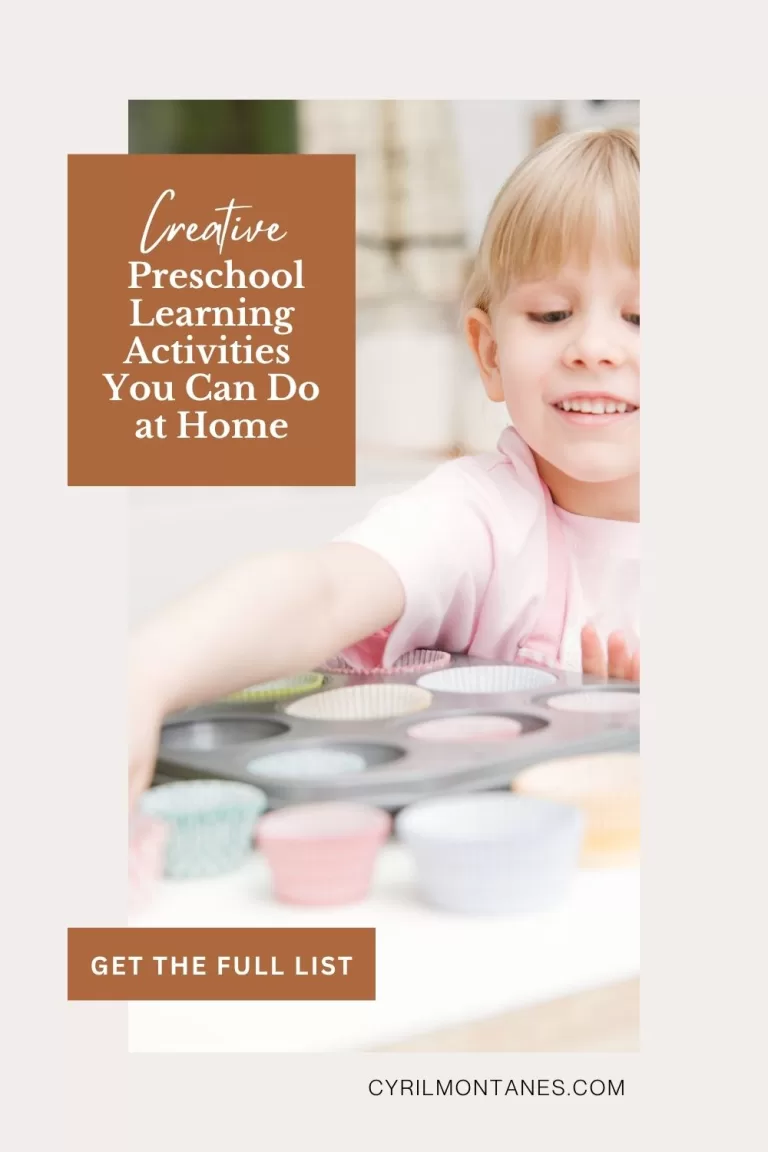
7. Baking Together
Bake cookies or muffins to transform your kitchen into a classroom. Let your preschooler measure the ingredients, stir the batter, and count the cookies.
Although I’m not particularly interested in cooking and baking, I mainly do it so we can eat—I have tried making cookies and banana bread a few times. My child loved seeing how the ingredients transformed as we mixed them, and he enjoyed eating the final products. During these experiences, I witnessed him come out of his shell and become more independent. He took charge of mixing the ingredients, cracking the eggs, adding the butter, and shaping the cookies into rounds. These seemingly small activities significantly boost his confidence.
Why It’s Great: Baking teaches basic math, following instructions, and teamwork—and you get a tasty treat at the end!
8. Color Mixing Magic
Introduce your child to primary colors by mixing paints or food coloring. Encourage them to predict what new color will result from the mixture, and then watch their amazement as red and blue combine to form purple. My son even asked if inventing a new color was possible, which I hadn’t considered before. Their minds are limitless, and they love to explore!
Pro Tip: Use this activity to teach about light and dark shades by adding white or black to the colors.
9. Counting Station
Create a counting station using small objects such as buttons, beads, or toy cars. Have your child group them into sets of twos, fives, or tens, and practice counting aloud. This is an effective way to teach my son math concepts like division and multiplication, which I struggled to understand when I was growing up. My teachers only used numbers on the board, but using tangible 3D objects makes learning more applicable to real life.
Extension Idea: Combine this with sorting by color or size for a multi-skill activity.
10. Homemade Playdough
To make homemade playdough, combine 2 cups of flour, 1 cup of salt, 2 cups of water, and 2 tablespoons of vegetable oil. You can add food coloring for an extra touch of flair.
Mix the flour and salt in a bowl. In a pot, heat the water and oil over medium heat without boiling. Gradually stir in the dry ingredients until a dough forms.
Knead the dough for a few minutes until it’s smooth. If using food coloring, divide the dough and knead in a few drops until the color is evenly blended.
Now, your child can enjoy creating shapes and figures with the playdough!
Sensory Benefits: Kneading and molding playdough strengthens hand muscles and supports fine motor development.
11. Bubble Science
To create long-lasting bubbles, mix liquid soap, water, and glycerin in a bowl, using a standard ratio of 1 part soap, 6 parts water, and 1 part glycerin.
Gather bubble-making tools, such as wands, straws, or your hands, to explore different bubble sizes and techniques. For example, blowing through a straw creates tiny bubbles, while waving a wand produces larger ones. Enjoy experimenting with other methods!
Learning Potential: Teaches fundamental science concepts, including surface tension and air pressure.
12. Musical Fun
Create homemade instruments with your child by making shakers using rice in a container or drums out of pots and pans. Play their favorite songs together and encourage them to create rhythms. Alternatively, you can sing together. I’ve found that music and singing help my son come out of his shell and build his confidence. Since my husband and I sing in church, our son was exposed to music from an early age. He has developed an ear for picking up notes and singing on pitch. If he enjoys a song, it becomes part of our daily playlist, and we sing along with it daily.
Why It’s Important: Music enhances auditory skills and fosters creativity.
13. Puzzle Time
When selecting puzzles for your child, choose those appropriate for their age level to ensure they present a suitable challenge without leading to frustration. Look for puzzles that feature themes your child is passionate about, such as animals, vehicles, or their favorite characters. Doing so, you maintain their interest and encourage them to engage more deeply with the activity. Additionally, consider various puzzle types, such as jigsaw puzzles, mazes, or logic puzzles, to keep the experience fresh and stimulating. This approach will help develop problem-solving skills and critical thinking, making the activity enjoyable and rewarding.
Cognitive Skills: Builds problem-solving and spatial awareness.
14. Sorting by Texture
Gather a selection of items that vary in texture, such as soft cotton balls, smooth stones, and rough sandpaper. Present these objects to your child and encourage them to explore each by feeling it with their hands. Then, ask your child to sort the items into different categories based on their textures. For example, they can create separate piles for soft objects, smooth objects, and rough items. This activity will help enhance their sensory awareness and critical thinking skills while making it a fun and interactive experience.
Why It Works: This activity engages sensory processing and encourages the use of descriptive language.
Tips for Success in Homeschooling Preschool
1. Focus on Play-Based Learning: Preschoolers learn best through play. Make activities fun and interactive to keep them engaged.
2. Be Flexible: Adapt your schedule to your child’s needs and interests. If an activity isn’t working, switch gears without stress.
3. Mix Indoor and Outdoor Learning: Balance indoor activities with outdoor opportunities to explore nature.
4. Celebrate Small Wins: Praise your child for their efforts, even if the result isn’t perfect. Encouragement builds confidence.
5. Create a Simple, Consistent Routine: A predictable structure helps preschoolers feel secure, but leave room for spontaneous learning and creativity.
Homeschooling for Toddlers: Making It Fun and Meaningful
Homeschooling toddlers and preschoolers is a fantastic opportunity to nurture their natural curiosity and spark a lifelong love of learning. With a mix of playful activities and gentle structure, you can create a learning environment that fits your child’s unique style.
Whether you’re building a daily preschool routine or just diving into simple, hands-on toddler activities, remember—this season is just as much about connection as it is about education. Follow your child’s interests, go at their pace, and don’t be afraid to explore new ideas together.
💡 What are your favorite play-based learning activities at home? I’d love to hear from you! Drop your ideas in the comments or tag me on social media with photos of your little learner in action. Let’s inspire and encourage each other on this joyful journey.
Helpful Resources to Guide Your Homeschooling Decisions
TheHomeschoolAwakening.com is a documentary for parents exploring the transformative power of homeschooling. It provides insights, tools, and real-life stories to inspire families to rethink education and empower them to create a customized and fulfilling learning experience for their children.
Ana Lorena Fabrega is an educator, author, and advocate for innovative educational approaches. Known as “Miss Fab,” she shares thought-provoking ideas on modern learning and education. She offers practical advice and inspiration for parents who want to empower their children through curiosity-driven, personalized education.
The North American Montessori Center (NAMC) offers comprehensive Montessori training and resources for educators and parents. Offering globally recognized certification programs and curriculum support, NAMC equips individuals with the tools and knowledge to create enriching, child-centered learning environments based on the Montessori philosophy. Their homeschool curriculum for the Early Childhood Diploma was our first material when I began homeschooling my son at the age of 3.
THSC’s Homeschool Curriculum is a go-to resource for families in Texas looking to start or enhance their homeschooling journey. It offers a curated list of curriculum options tailored to fit various teaching styles, learning needs, and educational goals, as well as guidance on navigating Texas homeschool laws and requirements. This is perfect for parents seeking flexibility and support in providing a personalized education for their children.
If you want to know more about me and my blog, visit my About Page. I share insights into our family life, the values we cherish, and my passion for showcasing the beauty of the Philippines alongside homeschooling, faith, and creativity. Let’s connect, share resources, and inspire each other on this excellent path!